
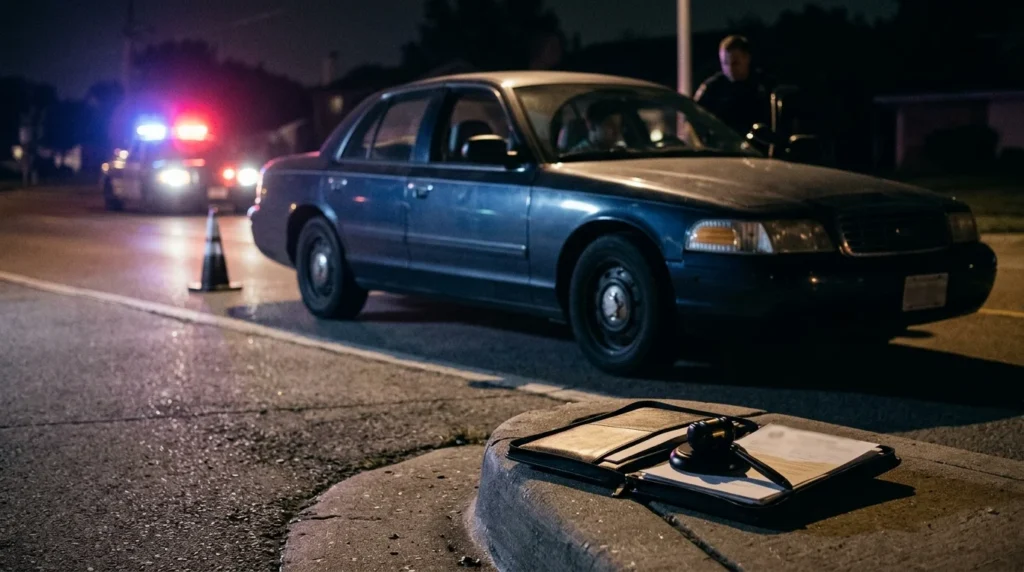

If you have seen OWI in a text message, social media post, or legal discussion, you may wonder what it means. Unlike some common texting abbreviations, OWI can have different meanings depending on the context.
In casual texting, OWI may be used as an abbreviation or typo with a meaning that depends on the conversation. In legal contexts, however, OWI commonly stands for “Operating While Intoxicated”, a term used in some U.S. states for an offense involving operating a vehicle while impaired by alcohol or drugs.
OWI Meaning & Definition
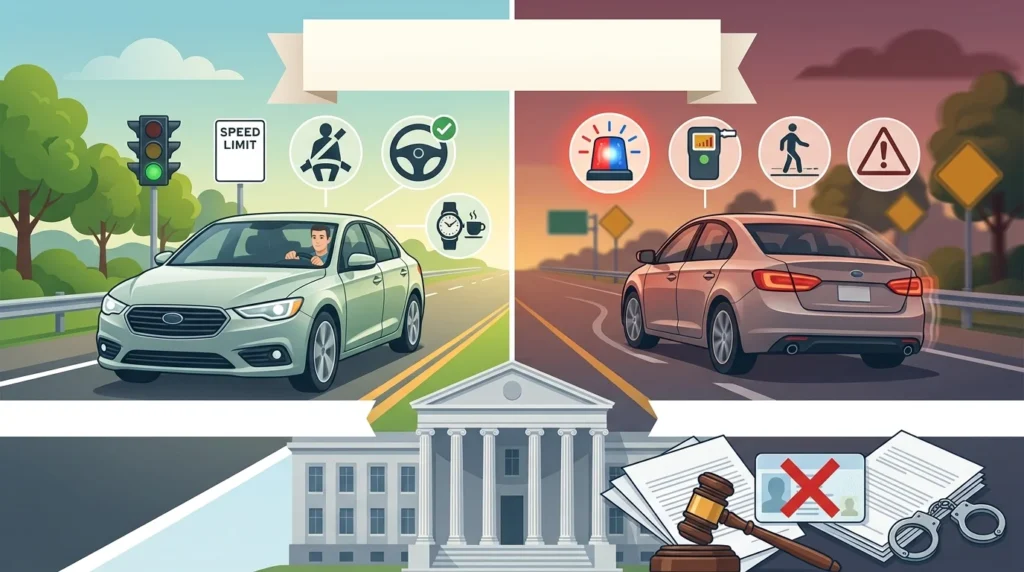
The OWI meaning depends on where you encounter the abbreviation. One of its most important meanings is “Operating While Intoxicated.” This is a legal term used in certain jurisdictions to describe operating a motor vehicle while under the influence or impaired by alcohol, drugs, or other intoxicating substances.
For example:
“He was arrested for OWI.”
In a legal context, this means the person was arrested for allegedly operating a vehicle while intoxicated or impaired.
What Does OWI Mean?
When someone asks what does OWI mean, you need to consider the context. If the discussion involves police, courts, driving, arrests, or traffic laws, OWI most likely means Operating While Intoxicated.
In other conversations, OWI may have a different interpretation. Online abbreviations can be highly context-dependent, so looking at the words around OWI is important before deciding what the sender intended.
OWI Meaning in Text
The OWI meaning in text is not always standardized. Unlike abbreviations such as LOL or BRB, OWI is not universally understood as one specific texting expression.
If someone sends “OWI” in a casual conversation, the intended meaning may depend on their community, personal shorthand, or even a typing mistake. If the conversation is about driving or legal matters, however, the legal meaning is much more likely.
OWI Meaning in Law
In legal language, OWI commonly means “Operating While Intoxicated.” It is used in some U.S. jurisdictions instead of other terms such as DUI or DWI.
The exact legal definition, penalties, terminology, and requirements vary by state. An OWI charge can involve allegations that a person operated a vehicle while impaired by alcohol, controlled substances, or another intoxicating substance.
OWI vs DUI
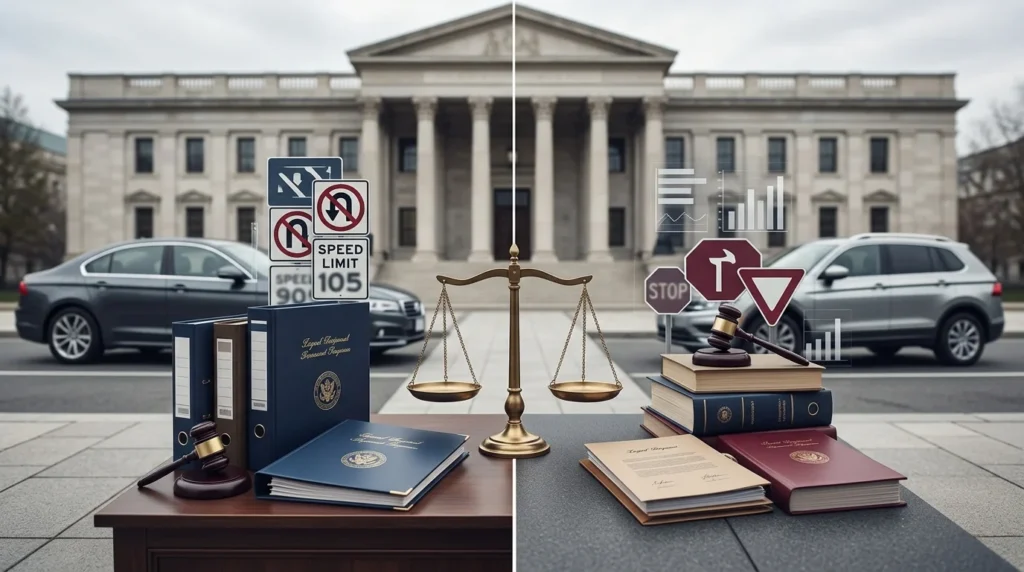
OWI and DUI can refer to similar impaired-driving offenses, but the terminology depends on the jurisdiction. DUI commonly stands for Driving Under the Influence, while OWI commonly stands for Operating While Intoxicated.
The distinction is important because “operating” can be defined differently from “driving” under particular state laws. Therefore, you should check the law of the relevant state rather than assuming that OWI and DUI have exactly the same legal definition everywhere.
| Abbreviation | Common Meaning | Context |
|---|---|---|
| OWI | Operating While Intoxicated | Legal and traffic matters |
| DUI | Driving Under the Influence | Legal and traffic matters |
| DWI | Driving While Intoxicated / Impaired | Legal and traffic matters |
OWI Meaning in Different States
The use of OWI is not uniform across the United States. Different states use different terminology for impaired-driving offenses. Some use OWI, while others use DUI, DWI, OUI, or other terms.
Because laws and definitions can change and vary between jurisdictions, the exact meaning of an OWI charge should be determined according to the state where the alleged offense occurred.
OWI Meaning in Driving
When OWI appears in a driving-related conversation, it generally refers to operating a vehicle while intoxicated or impaired. You may see the abbreviation in discussions about traffic stops, criminal charges, court cases, driver’s licenses, or impaired-driving laws.
Example: “The article explains the penalties for an OWI.”
Here, OWI clearly refers to the relevant impaired-driving offense rather than a casual texting abbreviation.
OWI Meaning on Social Media
On social media, OWI can appear in posts about legal cases, traffic incidents, news reports, or discussions about impaired driving. In these situations, the meaning can usually be understood from the surrounding information.
If the post discusses police, alcohol, driving, arrests, or court proceedings, OWI is likely being used in its legal sense. In a completely unrelated casual conversation, another interpretation may be possible.
How to Know Which OWI Meaning Is Intended
The easiest way to understand OWI is to examine the context. If the words around it mention driving, police, courts, alcohol, drugs, or traffic law, the abbreviation probably means Operating While Intoxicated.
If it appears in an informal text without any legal or driving context, you should not automatically assume that meaning. The sender may be using OWI as personal shorthand or may have made a typing error.
OWI Meaning in a Sentence
Example 1: Legal Context
“He was charged with OWI after the traffic stop.”
In this sentence, OWI means Operating While Intoxicated. The context clearly indicates that the abbreviation refers to an impaired-driving offense.
Example 2: News Context
“The report explains the state’s OWI laws.”
Here, OWI refers to the laws governing operating a vehicle while intoxicated or impaired.
Example 3: Court Context
“She appeared in court for an OWI case.”
This means the case involves an alleged offense involving operation of a vehicle while intoxicated or impaired.
OWI Meaning in Police Reports
OWI may appear in police reports, court documents, news reports, and legal records when authorities are referring to an alleged impaired-driving offense. The abbreviation provides a shorter way of identifying the charge or legal issue.
However, an OWI charge is an allegation, not by itself proof that a person committed an offense. The outcome of a case depends on the applicable law, evidence, court proceedings, and other circumstances.
OWI Meaning in Court
In court-related conversations, OWI generally refers to a case involving an alleged violation of impaired-driving laws. Depending on the jurisdiction and circumstances, an OWI case can involve questions about impairment, chemical testing, vehicle operation, and applicable legal requirements.
The specific legal consequences vary significantly by jurisdiction. Factors such as prior offenses, the alleged level of impairment, age, and other circumstances can affect how a case is handled.
OWI Meaning for a Driver’s License
An OWI case can sometimes have consequences involving driving privileges. Depending on the applicable state law, an impaired-driving case may result in administrative or court-related action involving a person’s driver’s license.
Because licensing rules differ by state, anyone dealing with an actual OWI case should consult the relevant state agency or a qualified attorney for information specific to their situation.
OWI vs OUI
OWI and OUI are both abbreviations used for impaired-operation offenses in different jurisdictions. OWI commonly means Operating While Intoxicated, while OUI commonly means Operating Under the Influence.
The terminology does not necessarily mean the offenses are identical. Each state defines its own offenses, prohibited conduct, testing rules, and penalties.
| Abbreviation | Common Expansion |
|---|---|
| OWI | Operating While Intoxicated |
| DUI | Driving Under the Influence |
| DWI | Driving While Intoxicated or Impaired |
| OUI | Operating Under the Influence |
OWI Meaning in Casual Conversation
Outside legal or driving contexts, OWI does not have one universally accepted slang meaning. Someone may use it as personal shorthand, a community-specific abbreviation, or an accidental typo.
This is why context is especially important. If a friend sends “OWI” without discussing driving, law, or alcohol, it may be better to ask what they mean rather than automatically interpreting it as “Operating While Intoxicated.”
Common Questions About
What does OWI stand for?
OWI commonly stands for “Operating While Intoxicated.” It is a legal term used in some U.S. jurisdictions for an impaired-driving offense.
What does OWI mean in text?
In text, OWI can have different meanings depending on context. When the conversation involves driving or law enforcement, it most commonly means Operating While Intoxicated.
Is OWI the same as DUI?
OWI and DUI can refer to similar impaired-driving offenses, but the exact definitions and legal terminology vary by state.
What does OWI mean in court?
In court, OWI generally refers to a legal case involving an allegation that someone operated a vehicle while intoxicated or impaired.
Can OWI have other meanings?
Yes. Outside legal contexts, OWI may be used as an informal abbreviation or shorthand. Its intended meaning should be determined from the surrounding conversation.
Conclusion
The OWI meaning most commonly refers to “Operating While Intoxicated.” It is a legal term used in some U.S. states to describe an offense involving the operation of a vehicle while intoxicated or impaired.
However, OWI is not exclusively a texting abbreviation with one universal meaning. In casual conversations, it may have another interpretation. When you see OWI, consider the context first—especially whether the conversation involves driving, police, courts, or traffic laws.
See Also:
Humble Meaning: Definition, Personality & Examples