


If you have seen the word sadistic in a conversation, movie, book, social media post, or article, you may wonder what it means. Sadistic generally describes someone who takes pleasure in causing pain, suffering, humiliation, or distress to another person or sometimes an animal.
The word can be used literally in psychological or behavioral discussions, but it is also commonly used informally to describe someone who appears unusually cruel or enjoys making other people suffer. The exact meaning depends on the context in which the word is used.
Sadistic Meaning & Definition
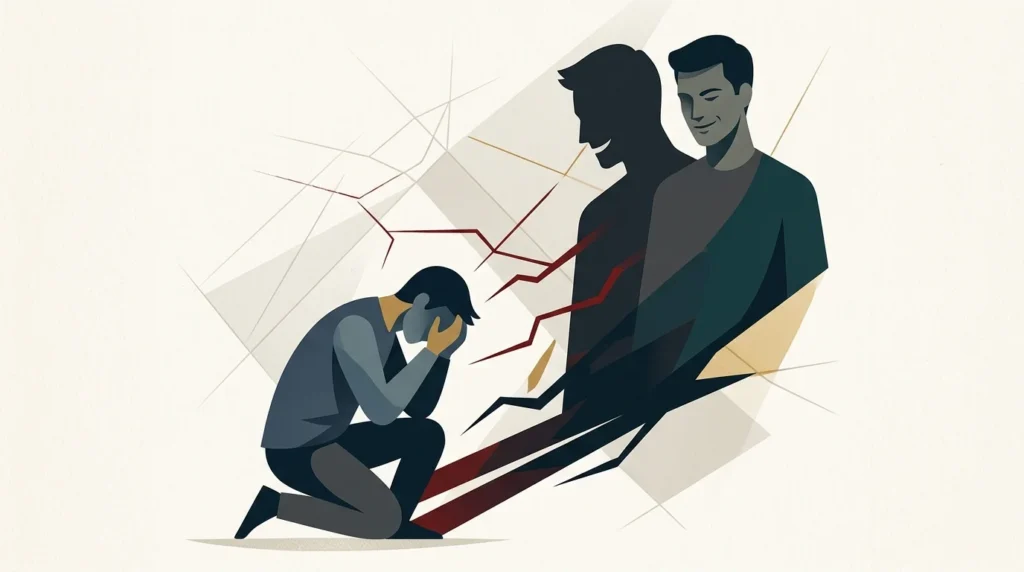
The sadistic meaning is taking pleasure in causing pain, suffering, humiliation, or distress to others. It can describe a person’s behavior, personality, actions, or intentions.
For example:
“The villain was portrayed as sadistic.”
This means the villain was shown as someone who enjoyed causing suffering to other people.
In everyday language, however, people may use sadistic more loosely to describe behavior that seems deliberately cruel or unnecessarily harsh.
What Does Sadistic Mean?
When someone asks what does sadistic mean, the simplest explanation is “finding pleasure or satisfaction in causing suffering or pain to someone else.”
The word is stronger than simply saying someone is mean or cruel. A cruel person may hurt someone without caring about the suffering, while the word sadistic specifically emphasizes enjoyment or satisfaction associated with another person’s pain or distress.
Sadistic Meaning in Text
The sadistic meaning in text can vary depending on the conversation. In serious discussions, it may describe deliberately cruel behavior. In casual conversations, people sometimes use it as an exaggeration.
For example:
“That was a sadistic joke.”
This could mean the joke was unusually cruel and seemed designed to make someone uncomfortable or embarrassed.
Sadistic Meaning in Slang
In casual slang, sadistic may be used to describe someone who seems to enjoy teasing, embarrassing, frustrating, or upsetting other people.
For example:
“He’s being sadistic by making everyone wait for the surprise.”
Here, the speaker may be using the word humorously rather than making a serious psychological claim.
Sadistic Meaning in Psychology
In psychology, sadism refers broadly to deriving pleasure or gratification from another person’s suffering, humiliation, or pain. However, the everyday adjective sadistic should not automatically be treated as a diagnosis.
Someone behaving cruelly on one occasion does not necessarily mean that person has a psychological disorder or a sadistic personality. Professional assessment involves much more than observing a single action or behavior.
Sadistic Personality Meaning
A sadistic personality is commonly described as a pattern in which a person repeatedly demonstrates cruelty, aggression, humiliation, or enjoyment of another person’s suffering.
In everyday conversation, people may call someone sadistic when they notice a repeated tendency to hurt, intimidate, embarrass, or manipulate others for enjoyment. However, casually labeling someone this way does not establish a clinical diagnosis.
Sadistic Behavior Meaning
Sadistic behavior refers to actions that intentionally cause suffering or humiliation while the person receives some form of pleasure, satisfaction, or enjoyment from the experience.
For example, deliberately humiliating someone simply because you enjoy watching them become embarrassed could be described as sadistic behavior. The key idea is not merely that someone was hurt, but that causing the suffering was connected to the person’s enjoyment or satisfaction.
Sadistic vs Cruel

Sadistic and cruel are related, but they are not exactly the same. Cruel means causing pain, suffering, or distress without kindness or compassion. Sadistic specifically suggests that the person gets pleasure or satisfaction from another person’s suffering.
| Word | Meaning |
|---|---|
| Cruel | Causing pain or suffering without compassion |
| Sadistic | Taking pleasure or satisfaction in another person’s suffering |
Sadistic vs Mean
Being mean and being sadistic are also different. Someone can be mean by insulting or mistreating another person, but that does not necessarily mean they enjoy causing suffering.
Sadistic is a much stronger description because it focuses on deriving enjoyment from another person’s pain, humiliation, or distress.
Sadistic Meaning in a Sentence
Example 1
“The character had a sadistic sense of humor.”
This means the character enjoyed humor involving cruelty, suffering, or other people’s discomfort.
Example 2
“The villain was sadistic and enjoyed frightening his victims.”
This means the villain appeared to enjoy causing fear and distress.
Example 3
“That was a sadistic prank.”
This suggests the prank was unusually cruel and that the prankster seemed to enjoy the target’s distress or embarrassment.
Is Sadistic a Bad Word?
Sadistic is generally a negative word. It describes behavior associated with cruelty, suffering, or enjoyment of another person’s distress.
Calling a real person sadistic can be a serious accusation, especially when the word is used outside a fictional or humorous context. For that reason, it is better to consider the evidence and context before applying the label to someone.
How to Use Sadistic Correctly
Sadistic is usually used when describing behavior, a personality, a character, or an action that involves enjoyment of another person’s pain, fear, humiliation, or suffering. It is a strong word, so it should not be used simply as a synonym for “mean.”
For example, saying “That was a sadistic prank” suggests that the prank was not merely annoying but involved deliberately causing distress or embarrassment for the prankster’s enjoyment. In casual conversations, however, people sometimes use the word dramatically or humorously.
Sadistic Meaning in Different Contexts
Sadistic Person
A sadistic person is commonly described as someone who appears to enjoy causing suffering, humiliation, fear, or distress to others. The word focuses on the person’s apparent enjoyment of another person’s discomfort.
However, calling someone sadistic based on one cruel action may be an unfair conclusion. A repeated pattern of behavior and the person’s motivations provide much more context.
Sadistic Behavior
Sadistic behavior involves deliberately causing suffering or humiliation while gaining some form of pleasure or satisfaction from the experience.
For example, repeatedly embarrassing someone specifically because you enjoy watching them become upset could be described as sadistic behavior.
Sadistic Character
In movies, books, and television shows, villains are sometimes described as sadistic when they enjoy frightening, hurting, or humiliating other characters.
Example: “The movie’s sadistic villain enjoyed watching his enemies panic.”
Here, the word helps describe the character’s cruel personality and motivation.
Sadistic Humor
Sadistic humor can refer to jokes or entertainment that get amusement from another person’s pain, embarrassment, fear, or misfortune.
In casual language, someone may also use the phrase jokingly for dark or unusually cruel humor. The context determines whether the speaker is being serious or exaggerating.
Sadistic Tendencies
Sadistic tendencies refers to behaviors or attitudes that show a tendency toward enjoying another person’s suffering or humiliation. The phrase does not automatically mean that someone has a psychological disorder.
It is important to distinguish between occasional inappropriate behavior and a consistent pattern of harmful behavior.
Sadistic vs Masochistic
Sadistic and masochistic describe opposite directions of pleasure related to pain or suffering. Sadistic traditionally refers to deriving pleasure from causing pain or humiliation to another person. Masochistic traditionally refers to deriving pleasure from experiencing pain or humiliation oneself.
| Term | General Meaning |
|---|---|
| Sadistic | Pleasure associated with causing another person’s pain or suffering |
| Masochistic | Pleasure associated with experiencing pain or suffering oneself |
Sadistic vs Sociopathic
Sadistic and sociopathic are not interchangeable terms. Sadistic describes a tendency to derive pleasure from another person’s suffering, while “sociopathic” is an informal term often associated with antisocial personality traits.
A person can behave cruelly without being sadistic, and someone should not be diagnosed with a mental health condition simply because they have behaved badly. These labels have different meanings and should not be used casually as diagnoses.
Sadistic Meaning in Relationships
In relationship discussions, people may use sadistic to describe a partner who intentionally causes emotional distress or humiliation because they enjoy seeing the other person suffer.
However, ordinary relationship conflict, arguments, or hurt feelings are not automatically sadistic. The word implies something more specific: deliberate suffering or humiliation connected to enjoyment or satisfaction.
Sadistic Meaning in a Negative Sense
The word sadistic almost always carries a negative meaning when describing a real person’s behavior. It suggests cruelty combined with some degree of enjoyment or gratification from another person’s distress.
Because it is a strong characterization, using the word carefully can help prevent misunderstandings. If the behavior is simply unkind or insensitive, words such as mean, cruel, harsh, insensitive, or unkind may be more accurate.
Sadistic Synonyms
Depending on the context, related words include:
- Cruel
- Brutal
- Merciless
- Heartless
- Malicious
- Ruthless
- Vicious
- Spiteful
These are not exact synonyms. The defining feature of sadistic is the idea of gaining pleasure or satisfaction from another person’s suffering.
Frequently Asked Questions
What does sadistic mean?
Sadistic means taking pleasure or satisfaction in causing pain, suffering, fear, humiliation, or distress to another person or sometimes an animal.
Is sadistic the same as cruel?
No. Cruel means causing suffering or showing a lack of compassion, while sadistic specifically suggests enjoyment or satisfaction from another person’s suffering.
Is sadistic a psychological diagnosis?
The word sadistic is not, by itself, a diagnosis. It can describe certain behaviors or traits, but calling someone sadistic does not establish a mental health condition.
What is the opposite of sadistic?
There is no perfect single opposite, but compassionate, empathetic, kind, and caring describe attitudes that contrast strongly with sadistic behavior.
What does sadistic mean in a relationship?
In relationship discussions, sadistic may describe deliberately causing emotional or physical distress while gaining enjoyment or satisfaction from the other person’s suffering.
Conclusion
The sadistic meaning describes behavior or attitudes involving pleasure or satisfaction from another person’s pain, suffering, fear, or humiliation. It is stronger than simply calling someone mean or cruel because it focuses on the person’s enjoyment of the suffering.
The word can be used seriously, casually, or to describe fictional characters, but it is generally negative when applied to a real person. Understanding the context and motivation behind the behavior is important before using the label.
See Also:
Mi Amor Meaning: English Translation & Examples