


If you’ve searched for hallelujah meaning, you’re probably wondering what this powerful word means and why it is often heard in churches, songs, prayers, and everyday expressions of joy. It is one of the most well-known words in the Bible and is recognized around the world.
In simple terms, hallelujah means “Praise the Lord.” It is an expression of worship, gratitude, joy, and celebration directed toward God. The word appears throughout the Bible and is commonly used in Christianity and Judaism during worship and praise.
In this guide, Trendy Meaning explains what does hallelujah mean, its biblical origin, symbolism, pronunciation, and modern usage.
Meaning & Definition
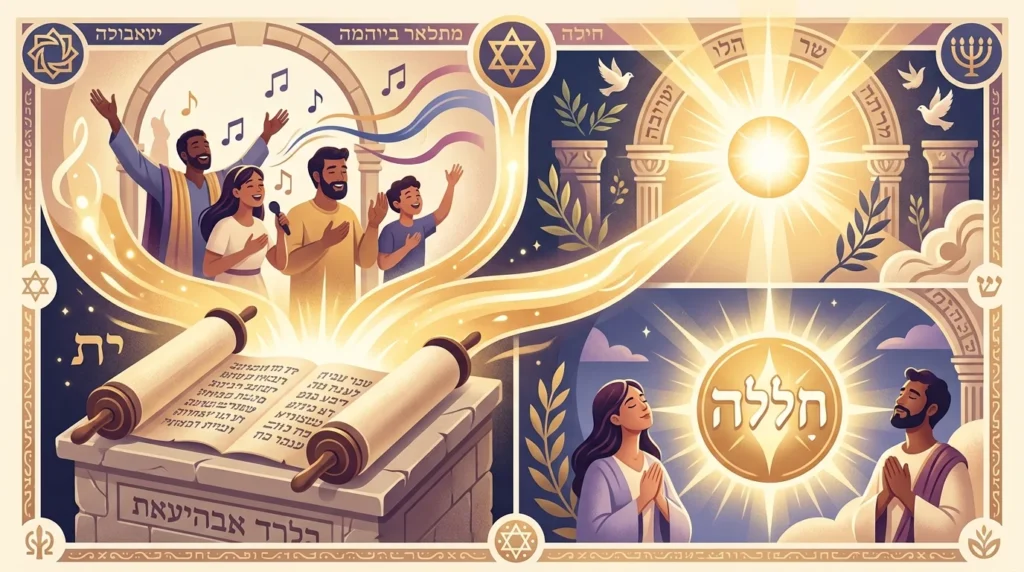
The hallelujah meaning comes from the Hebrew language and is an expression of praise to God.
Common meanings include:
- Praise the Lord
- Praise God
- Worship
- Joy
- Thanksgiving
- Celebration
- Gratitude
- Adoration
The word is primarily used in religious contexts but also appears in music, literature, and everyday speech.
Hallelujah Meaning in English
The hallelujah meaning in English is “Praise the Lord” or “Praise Yahweh.”
Example:
“The congregation sang ‘Hallelujah’ together during the worship service.”
Meaning:
The people were praising and worshipping God.
What Does Hallelujah Mean?
When people ask what does hallelujah mean, they are usually referring to its biblical and spiritual meaning.
The word expresses praise, thankfulness, and happiness because of God’s goodness, mercy, or blessings. It is commonly spoken during prayers, worship services, religious celebrations, and inspirational songs.
Today, some people also use “hallelujah” in everyday conversation to express great relief or happiness.
Simple Explanation
Think of hallelujah as meaning:
- Praise the Lord
- Praise God
- Thankfulness
- Joy
- Worship
- Celebration
- Gratitude
Its meaning is centered on praising God with happiness and faith.
Hallelujah Definition With Examples
The hallelujah definition is an expression of praise and worship directed toward God.
Examples of Hallelujah in Sentences
“The choir sang ‘Hallelujah’ during the Easter service.”
“She whispered ‘Hallelujah’ after hearing the good news.”
“The song ends with everyone singing ‘Hallelujah.'”
“The congregation shouted ‘Hallelujah!’ in celebration.”
These examples show both the religious and everyday uses of the word.
Background
Hallelujah has been used in worship for thousands of years. It appears repeatedly in the Hebrew Bible, especially in the Book of Psalms, where it introduces or concludes songs of praise.
Today, the word remains an important part of Christian and Jewish worship and has also become widely recognized through music, literature, and popular culture.
Origin and History of Hallelujah
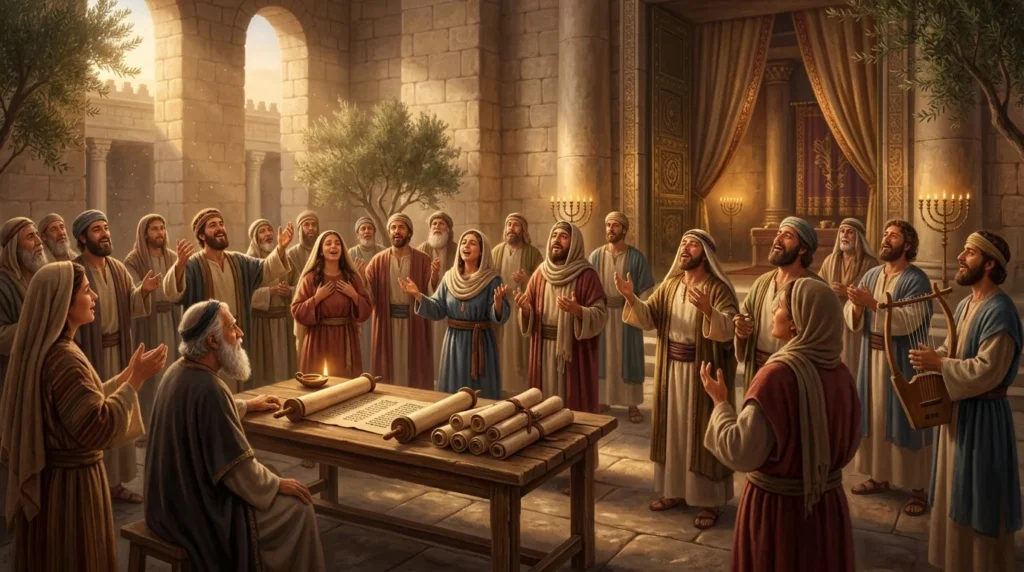
The word hallelujah comes from the Hebrew phrase Hallelu Yah.
- Hallelu means “Praise.”
- Yah is a shortened form of the sacred name of God (Yahweh).
Together, the phrase means “Praise the Lord” or “Praise Yahweh.”
Over time, the word was adopted into Greek, Latin, and English, becoming one of the most recognizable expressions of worship in the world.
Usage in Different Contexts
The word hallelujah is used in several settings.
Hallelujah in the Bible
The Bible uses hallelujah as an expression of praise and thanksgiving to God, particularly in the Book of Psalms.
Example:
“The Psalm ends with a joyful cry of ‘Hallelujah.'”
Hallelujah in Christian Worship
Churches often sing or say hallelujah during worship services, hymns, prayers, and religious celebrations.
Example:
“The congregation joyfully sang ‘Hallelujah’ during the service.”
Hallelujah in Music
Many famous hymns, gospel songs, and modern musical works include the word hallelujah to express joy, hope, and praise.
Example:
“The choir performed a beautiful hallelujah chorus.”
Hallelujah in Everyday Conversation
Outside religious settings, people sometimes say “hallelujah” to express relief, excitement, or happiness after something positive happens.
Example:
“‘Hallelujah!’ he said after finally finishing the difficult project.”
Hallelujah vs Alleluia Difference
Although these words are closely related, they are used in slightly different ways.
Hallelujah
Hallelujah is the English spelling most commonly used in Protestant Bibles, Christian worship, music, and everyday language.
Example:
“The congregation joyfully sang ‘Hallelujah.'”
Alleluia
Alleluia is an alternative spelling that is frequently used in older Bible translations, liturgical traditions, and many Catholic and Orthodox churches.
Example:
“The choir sang ‘Alleluia’ during the Easter Mass.”
Simple difference:
Hallelujah = Common English spelling.
Alleluia = Traditional liturgical spelling.
Hallelujah vs Praise the Lord Difference
These expressions have nearly the same meaning but are used differently.
Hallelujah
A Hebrew expression that literally means “Praise the Lord.”
Praise the Lord
The direct English translation of the Hebrew phrase.
Example:
“They ended the prayer by saying, ‘Praise the Lord.'”
Simple difference:
Hallelujah = Original Hebrew expression.
Praise the Lord = English translation.
Symbolism of Hallelujah
The word Hallelujah symbolizes:
- Praise
- Worship
- Faith
- Gratitude
- Joy
- Hope
- Thanksgiving
- Celebration
- Devotion
- God’s goodness
For many believers, it expresses heartfelt praise and trust in God.
How to Use Hallelujah Correctly
Use hallelujah when expressing praise, joy, gratitude, or celebration, especially in religious contexts.
Examples:
“Hallelujah! Our prayers were answered.”
“The choir ended the hymn with a joyful ‘Hallelujah.'”
“They sang hallelujah during the Easter celebration.”
“She whispered, ‘Hallelujah,’ in gratitude.”
Frequently Asked Questions
What does hallelujah mean?
Hallelujah means “Praise the Lord.” It is a Hebrew expression used to praise and worship God.
Is hallelujah a Hebrew word?
Yes. Hallelujah comes from the Hebrew phrase Hallelu Yah, meaning “Praise Yahweh” or “Praise the Lord.”
What is the difference between hallelujah and alleluia?
Both words have the same meaning. “Hallelujah” is the common English spelling, while “Alleluia” is traditionally used in some Christian liturgical traditions.
Can hallelujah be used outside church?
Yes. Many people use “hallelujah” in everyday conversation to express great joy, relief, or gratitude after something positive happens.
How do you use hallelujah in a sentence?
Example: “When she received the good news, she smiled and said, ‘Hallelujah!'”
Conclusion
The hallelujah meaning is “Praise the Lord,” making it one of the most meaningful expressions of worship in the Bible. Rooted in the Hebrew language, it symbolizes praise, gratitude, faith, hope, and joyful celebration. Whether spoken during worship, sung in music, or used to express heartfelt thankfulness, understanding what does hallelujah mean helps you appreciate its rich biblical, historical, and spiritual significance.
At Trendy Meaning, we explain English words, biblical terms, internet slang, symbols, and modern vocabulary with simple definitions, practical examples, and real-world usage to make learning easier.
See Also:
Ayes Meaning: Definition, Voting Terms & Examples