


The abbreviation AWOL is commonly used in military, workplace, and everyday conversations. If you have searched for AWOL meaning, you are probably wondering what it stands for and how it is used in different situations.
Originally a military term, AWOL is now also used informally to describe someone who is unexpectedly absent or has disappeared without notice. Whether you see it in news reports, text messages, or casual conversations, understanding its meaning can help you interpret the context correctly. In this guide, Trendy Meaning explains what does AWOL mean, its full form, origin, examples, and common usage.
Meaning & Definition
The AWOL meaning is “Absent Without Official Leave.” It refers to a person, especially a member of the military, who is away from their assigned duty or place without permission.
Outside the military, AWOL is often used informally to describe someone who is missing, absent, or unavailable without giving an explanation.
AWOL Meaning in English
The AWOL meaning in English can be explained as:
- Absent Without Official Leave
- Missing without permission
- Unexpectedly absent
- Away without authorization
- Unavailable without notice
For example:
“The soldier was declared AWOL.”
This means the soldier was absent from duty without official permission.
In everyday conversation, someone might say:
“My coworker has gone AWOL.”
This means the coworker is unexpectedly absent.
What Does AWOL Mean?
When people ask what does AWOL mean, they are usually referring to someone who has left their assigned place or responsibilities without informing others or receiving permission.
In simple words, AWOL means being absent without authorization.
For example:
“He’s been AWOL all morning.”
This means the person has been unexpectedly absent for the entire morning.
Simple Explanation
Think of AWOL as meaning:
Absent Without Official Leave
Missing
Unexpectedly absent
Away without permission
Not reporting for duty
The exact meaning depends on whether it is used in a military or informal context.
AWOL Full Form
The full form of AWOL is:
Absent Without Official Leave
The abbreviation originated in military organizations to describe service members who leave or fail to report for duty without authorization.
Today, it is also widely used in workplaces and casual conversations.
Background
AWOL has long been associated with military service, where attendance and reporting for duty are strictly regulated. Over time, the abbreviation entered everyday English and is now commonly used to describe anyone who unexpectedly disappears or fails to show up.
Although its military meaning remains the official definition, informal usage has become increasingly common in modern communication.
Origin and History of AWOL
The abbreviation AWOL originated in military terminology and has been used for decades to describe unauthorized absence from duty. As the term became widely recognized through news, films, and popular culture, people began using it outside military settings to describe unexplained absences in work, school, or everyday life.
Today, AWOL is understood both as an official military term and an informal expression.
Usage in Different Contexts
The meaning of AWOL changes slightly depending on where it is used.
AWOL in the Military
In military service, AWOL refers to personnel who are absent from their assigned duty without official permission.
Example:
“The recruit was reported AWOL.”
AWOL in the Workplace
Managers and coworkers sometimes use AWOL informally when an employee is unexpectedly absent.
Example:
“Our team leader has gone AWOL today.”
AWOL in Texting
Friends may jokingly use AWOL to describe someone who has stopped replying or disappeared from a conversation.
Example:
“You’ve been AWOL all day!”
AWOL in Everyday Conversations
The abbreviation is commonly used to describe anyone who suddenly becomes unavailable without explaining why.
Example:
“My friend went AWOL after the party.”
AWOL Meaning in Text
The AWOL meaning in text usually refers to someone who is unexpectedly absent or has stopped responding without explanation. While the term originated in the military, it is now commonly used in text messages and online chats.
For example:
“You’ve been AWOL all weekend.”
This means the person has been unavailable or hasn’t responded for a while.
In casual conversations, AWOL is often used humorously rather than literally.
AWOL Meaning in the Military
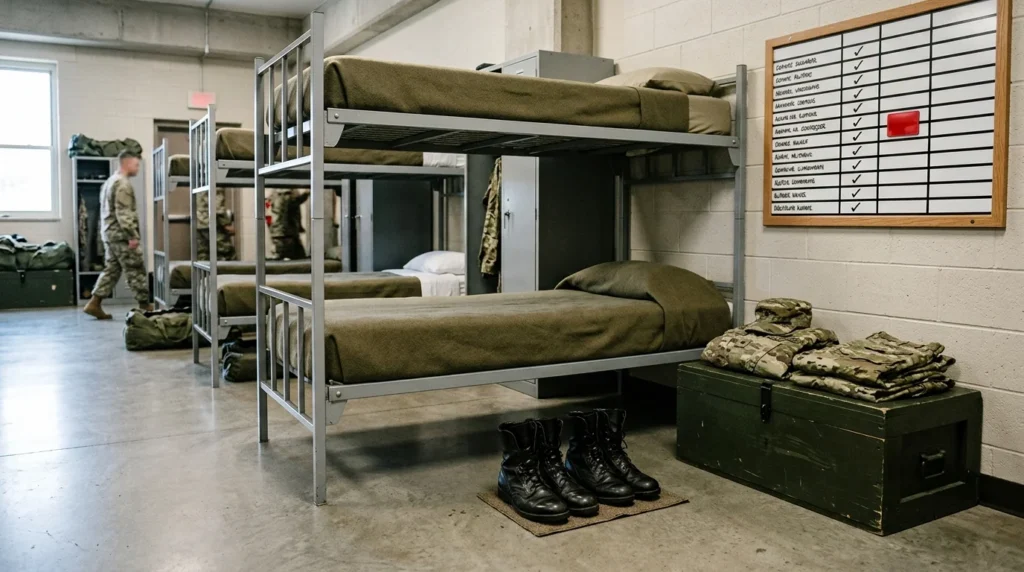
In the military, AWOL stands for Absent Without Official Leave. It refers to a service member who leaves or fails to report for duty without proper authorization.
Being AWOL is considered a military offense and may result in disciplinary action, depending on the circumstances and the country’s military laws.
AWOL Meaning at Work

In workplaces, AWOL is often used to describe an employee who is absent without notifying their employer or obtaining permission.
Examples:
“The employee was marked AWOL.”
“She went AWOL without informing her manager.”
In some organizations, repeated AWOL absences may lead to disciplinary action.
AWOL vs MIA Difference
People sometimes confuse AWOL and MIA because both involve someone being absent.
AWOL
Means absent without official permission.
Example:
“The soldier was AWOL.”
MIA
Means Missing in Action and refers to military personnel whose whereabouts are unknown during combat or military operations.
Example:
“The pilot was listed as MIA.”
Simple difference:
AWOL = absent without permission.
MIA = missing and location unknown.
AWOL vs Absent Difference
These terms are related but not identical.
AWOL
Implies an unauthorized or unexplained absence.
Absent
Simply means not present and does not necessarily imply wrongdoing.
Example:
“He was absent because he was sick.”
Simple difference:
AWOL = unauthorized absence.
Absent = not present for any reason.
Synonyms of AWOL
Depending on the context, similar words include:
Missing
Absent
Unavailable
Gone
Missing without notice
Unauthorized absence
No-show
The best synonym depends on whether the context is military, work, or casual conversation.
Antonyms of AWOL
Words with opposite meanings include:
Present
Available
On duty
Attending
Reporting
Accounted for
These indicate that someone is where they are expected to be.
How to Use AWOL Correctly
AWOL is commonly used to describe someone who is unexpectedly absent.
Examples:
“My teammate has gone AWOL.”
“The soldier was reported AWOL.”
“He’s been AWOL from work for two days.”
“She disappeared and everyone joked that she’d gone AWOL.”
The abbreviation works in both formal military contexts and informal everyday conversations.
Frequently Asked Questions
What is AWOL meaning?
AWOL stands for Absent Without Official Leave and refers to someone who is absent without permission.
What does AWOL mean in text?
In text messages, AWOL usually means someone has disappeared, stopped replying, or is unexpectedly unavailable.
What is the full form of AWOL?
The full form of AWOL is Absent Without Official Leave.
Is AWOL only used in the military?
No. Although it originated in the military, AWOL is now widely used in workplaces and everyday conversations.
Does AWOL always mean someone did something wrong?
Not necessarily. In casual conversations, people often use AWOL humorously to describe someone who has been out of touch.
Conclusion
The AWOL meaning is Absent Without Official Leave, originally a military term for someone who is away from duty without permission. Today, it is also commonly used in workplaces, texting, and everyday conversations to describe someone who is unexpectedly absent or unavailable. Understanding what does AWOL mean, its full form, examples, and different uses helps you interpret the abbreviation correctly in both formal and informal situations.
At Trendy Meaning, we explain internet slang, abbreviations, English words, and modern expressions with simple definitions, practical examples, and real-world usage to make learning easier.
See Also:
Imminent Meaning: Simple Definition, Examples & Usage