


If you’ve searched for senpai meaning, you’re probably wondering what this Japanese word means and why it’s so popular in anime, manga, gaming, and internet culture. The term “senpai” is widely used in Japan and has become familiar to people around the world through Japanese entertainment.
In simple terms, senpai means an older, more experienced, or senior person who guides or is respected by someone junior.
It is commonly used in schools, workplaces, sports clubs, and martial arts. Outside Japan, anime fans often use the word playfully or affectionately.
In this guide, Trendy Meaning explains what does senpai mean, its definition, origin, examples, and how it is used in modern English and Japanese culture.
Meaning & Definition
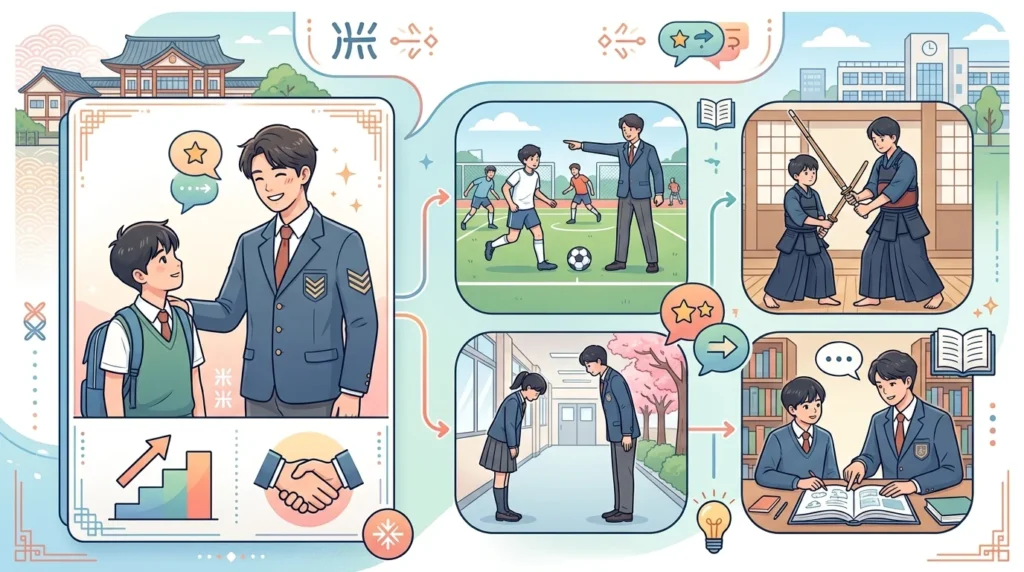
The senpai meaning is a senior, mentor, or experienced person who has more knowledge or experience than someone else.
Common meanings include:
- Senior student
- Mentor
- Experienced person
- Senior colleague
- Respected upperclassman
- Guide
The meaning depends on the relationship between the people involved.
Senpai Meaning in English
The senpai meaning in English is “a senior or more experienced person deserving respect.”
Examples:
“My senpai helped me during my first year.”
Meaning:
An older or more experienced person guided me.
“She looks up to her senpai.”
Meaning:
She respects someone more experienced.
What Does Senpai Mean?
When people ask what does senpai mean, they are usually referring to anime or Japanese culture.
In Japan, senpai is someone who:
- Has more experience
- Joined earlier
- Holds a higher position within the same group
- Guides junior members
The opposite of senpai is kohai, which refers to the junior person.
Simple Explanation
Think of senpai as meaning:
- Senior
- Mentor
- Experienced student
- Senior colleague
- Person worthy of respect
It describes someone with greater experience within the same organization or group.
Senpai Definition With Examples
The senpai definition is a person with more experience or seniority who is respected by junior members of the same school, workplace, club, or organization.
Examples of Senpai in Sentences
“My senpai taught me the club’s traditions.”
Meaning:
A senior member guided me.
“He admired his senpai at work.”
Meaning:
He respected his experienced colleague.
“The anime character wanted her senpai to notice her.”
Meaning:
She wanted the attention of someone she admired.
Background
The idea of senpai has existed in Japanese society for centuries. Respect for seniority plays an important role in schools, businesses, sports teams, and traditional organizations.
Outside Japan, the word became famous through anime, manga, video games, and internet memes.
Origin and History of Senpai
The word senpai (先輩) comes from Japanese and literally refers to someone who came before you in the same environment.
It reflects Japan’s cultural emphasis on respect, guidance, and learning from more experienced people.
As anime and manga became popular worldwide, senpai entered internet slang and is now recognized by millions of fans.
Usage in Different Contexts
The word senpai appears in many situations.
Senpai in Schools
Students call older classmates senpai as a sign of respect.
Example:
“The first-year students greeted their senpai.”
Senpai in the Workplace
Junior employees may refer to experienced coworkers as senpai.
Example:
“My senpai helped me understand the new project.”
Senpai in Anime
Anime often portrays senpai as someone admired or respected by younger characters.
Example:
“The main character had a crush on her senpai.”
Senpai on Social Media
Online, fans sometimes jokingly call someone “senpai” to show admiration or affection.
Example:
“Notice me, senpai!”
Senpai vs Kohai Difference

These two Japanese words describe opposite roles.
Senpai
A senpai is a senior or more experienced person who guides and supports junior members.
Example:
“The senpai helped the new students.”
Kohai
A kohai is the junior or less experienced person who learns from the senpai.
Example:
“The kohai respected her senpai.”
Simple difference:
Senpai = Senior or mentor.
Kohai = Junior or learner.
Senpai vs Sensei Difference
Many people confuse these Japanese terms.
Senpai
A senpai is someone with more experience within the same group, such as a school, club, or workplace.
Sensei
A sensei is a teacher, instructor, professor, or master with official teaching responsibilities.
Example:
“Our sensei explained the lesson.”
Simple difference:
Senpai = Experienced senior.
Sensei = Teacher or instructor.
Common Synonyms of Senpai
Depending on the context, similar words include:
- Senior
- Mentor
- Guide
- Experienced member
- Upperclassman
- Senior colleague
- Advisor
- Leader
- Role model
- Experienced student
Choose the synonym that best fits the situation.
How to Use Senpai Correctly
Use senpai when referring to someone more experienced within the same school, workplace, club, or organization.
Examples:
“My senpai encouraged me.”
“She learned from her senpai.”
“The new employee respected his senpai.”
“The anime character admired her senpai.”
Frequently Asked Questions
What does senpai mean?
Senpai means a senior or more experienced person who is respected and often guides someone junior within the same group or organization.
What is the opposite of senpai?
The opposite is kohai, which refers to the junior or less experienced person.
Is senpai the same as sensei?
No. A senpai is a senior member, while a sensei is an official teacher or instructor.
Why is senpai popular in anime?
Anime frequently features relationships between junior and senior students, making the word familiar to international audiences.
Can senpai be used outside Japan?
Yes. Many anime fans and gamers use the word playfully or affectionately online, although its original cultural meaning comes from Japan.
Conclusion
The senpai meaning refers to a senior or more experienced person who earns respect and often guides junior members within the same school, workplace, club, or organization. While the word originated in Japanese culture, it has become internationally recognized through anime, manga, gaming, and internet culture. Understanding what does senpai mean helps you appreciate both its traditional Japanese use and its modern online popularity.
At Trendy Meaning, we explain English words, internet slang, abbreviations, names, symbols, grammar terms, and modern vocabulary with simple definitions, examples, and real-world meanings to make learning easier.
See Also:
Apt Meaning: Definition, Uses & Examples