

If you have seen the term Blue Alert on the news, social media, or an emergency notification, you may wonder what it means. A Blue Alert is a public safety notification used in some places to help law enforcement locate a person suspected of seriously injuring or killing a law enforcement officer, or to provide information about a dangerous suspect who may pose an ongoing threat.
The exact rules for issuing a Blue Alert can vary by jurisdiction. Unlike a general emergency alert, a Blue Alert is specifically connected to a serious incident involving law enforcement and is intended to help the public recognize and report relevant information.
Blue Alert Meaning & Definition
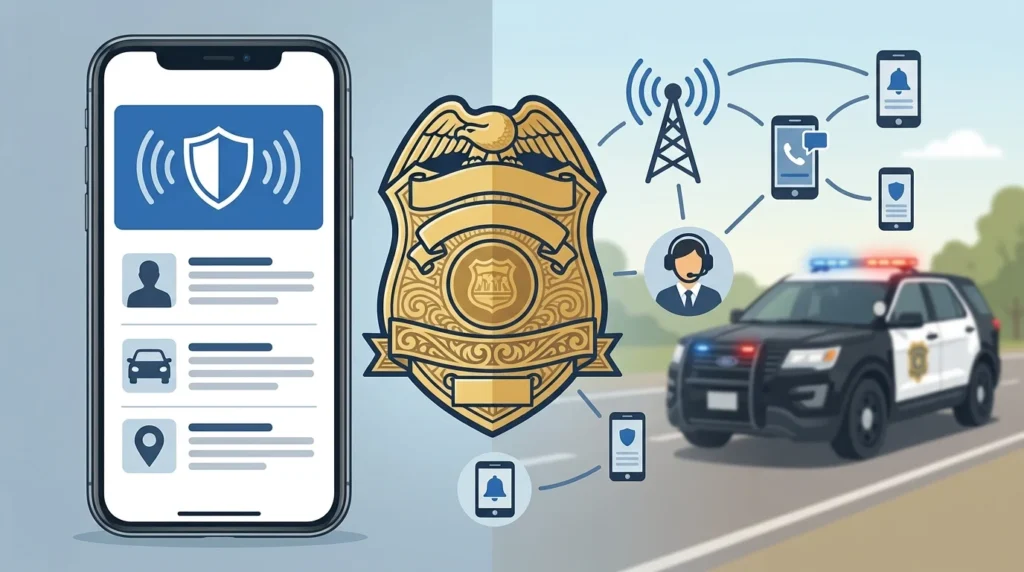
The Blue Alert meaning is a public safety alert concerning a serious incident involving a law enforcement officer. It may be issued when authorities need the public’s assistance in locating a dangerous suspect or obtaining information related to the incident.
A Blue Alert may contain information such as:
- A description of the suspect
- A description of a vehicle involved
- A license plate number
- The location or area where the suspect may be traveling
- Instructions for reporting information to authorities
The purpose is to quickly distribute useful information to the public while helping law enforcement respond to the situation.
What Does Blue Alert Mean?
Blue Alert generally means that authorities have activated a public notification related to a serious threat involving a law enforcement officer. It does not necessarily mean that everyone in the area is in immediate danger.
If you receive one, read the message carefully and follow the instructions provided by local authorities.
What Is a Blue Alert?
A Blue Alert is part of an emergency notification system designed to help law enforcement communicate important information to the public. Depending on the jurisdiction, the alert may be activated after an officer is seriously injured or killed and authorities believe the suspect presents a continuing threat.
The alert can help spread information much faster than traditional methods such as television or newspaper announcements. A person who recognizes a suspect, vehicle, or other identifying detail may be able to provide information that helps authorities locate the individual.
Blue Alert Meaning in Text
If someone mentions a Blue Alert in a text message, they are usually referring to an official public safety notification rather than internet slang.
For example:
“I just received a Blue Alert on my phone.”
This means the person received an emergency notification concerning a serious law enforcement-related incident.
Blue Alert on Your Phone
A Blue Alert may appear on a compatible mobile phone as an emergency or public safety notification. The message can include information that authorities believe may help the public identify or locate a suspect.
Depending on the alert system and local rules, the notification may be accompanied by a distinctive sound or vibration so that people notice it quickly.
What Should You Do When You Receive a Blue Alert?
First, read the notification carefully. Pay attention to the information and instructions provided by authorities.
If the alert includes a suspect or vehicle description, do not approach or confront the person yourself. If you have relevant information, use the reporting method provided in the alert or contact the appropriate authorities.
Why Is It Called a Blue Alert?
The term Blue Alert is associated with law enforcement and is commonly understood as a reference to the blue color traditionally associated with police and other law enforcement agencies.
The name distinguishes this type of notification from other emergency alert categories that may address weather, missing children, or broader public safety emergencies.
Blue Alert vs Amber Alert
Blue Alerts and AMBER Alerts are both public safety notifications, but they serve different purposes.
Blue Alert
A Blue Alert is generally associated with a serious incident involving a law enforcement officer and may help authorities locate a dangerous suspect or obtain information about the incident.
AMBER Alert
An AMBER Alert is generally used to help locate a child who is believed to have been abducted and who may be in serious danger.
In simple terms, Blue Alerts focus on serious law enforcement incidents, while AMBER Alerts focus on endangered missing or abducted children.
Blue Alert vs Emergency Alert
An Emergency Alert is a broad category that can cover many types of urgent public safety messages. A Blue Alert is more specific and relates to certain serious incidents involving law enforcement.
Therefore, receiving a Blue Alert does not automatically mean that the same danger applies to every person who receives it. The notification itself should be read for details about the location, suspect, vehicle, and instructions.
How Blue Alerts Work
The process generally begins when a serious incident involving a law enforcement officer occurs and authorities determine that public notification may assist the investigation or help protect the community.
Once the relevant requirements are met, an authorized agency can issue the alert through available emergency communication systems. The information may then reach people through mobile devices, electronic signs, media outlets, or other public notification channels.
Information Included in a Blue Alert
A Blue Alert may provide identifying information that could help members of the public recognize a suspect or vehicle. The information included depends on the circumstances and the issuing authority.
People should avoid relying on rumors or unverified social media posts when an alert is active. Official information and instructions should be treated as the primary source.
When Is a Blue Alert Issued?
A Blue Alert is generally issued only when specific conditions established by the relevant jurisdiction are met. These conditions can include a serious injury or death of a law enforcement officer and information indicating that the suspect may still pose a threat or be at large.
The exact requirements are not identical everywhere. Authorities may also consider whether releasing information to the public could help locate the suspect, identify a vehicle, or protect other people from potential harm.
What Does a Blue Alert Look Like?
A Blue Alert can appear as an emergency notification on a mobile phone or through other public communication channels. The notification may contain a short description of the incident and identifying information about a suspect or vehicle.
The format, sound, wording, and delivery method can vary depending on the emergency alert system and location. The most important thing is to read the complete notification rather than relying only on the title or alert sound.
What Should You Do After Receiving a Blue Alert?
If you receive a Blue Alert, stay aware of the information provided and follow the instructions from authorities. If the alert identifies a suspect or vehicle, avoid approaching, following, or confronting that person.
If you believe you have useful information, report it through the contact method provided in the alert. Do not attempt to investigate the situation yourself.
Does a Blue Alert Mean You Are in Danger?
Not necessarily. Receiving a Blue Alert does not automatically mean that you are the direct target of the threat. The alert is primarily intended to distribute information that may help authorities locate a suspect or address a serious public safety situation.
However, you should always take an official alert seriously. Check the details, especially the location and instructions, and follow guidance from local authorities.
Blue Alert Meaning in Different Contexts
The term Blue Alert can occasionally appear in contexts other than an active emergency notification. News reports may use the term when discussing a law enforcement incident, while social media users may mention it when sharing information about an alert.
In all of these situations, the meaning generally relates to a public safety notification involving a serious incident connected to law enforcement.
Blue Alert vs Silver Alert
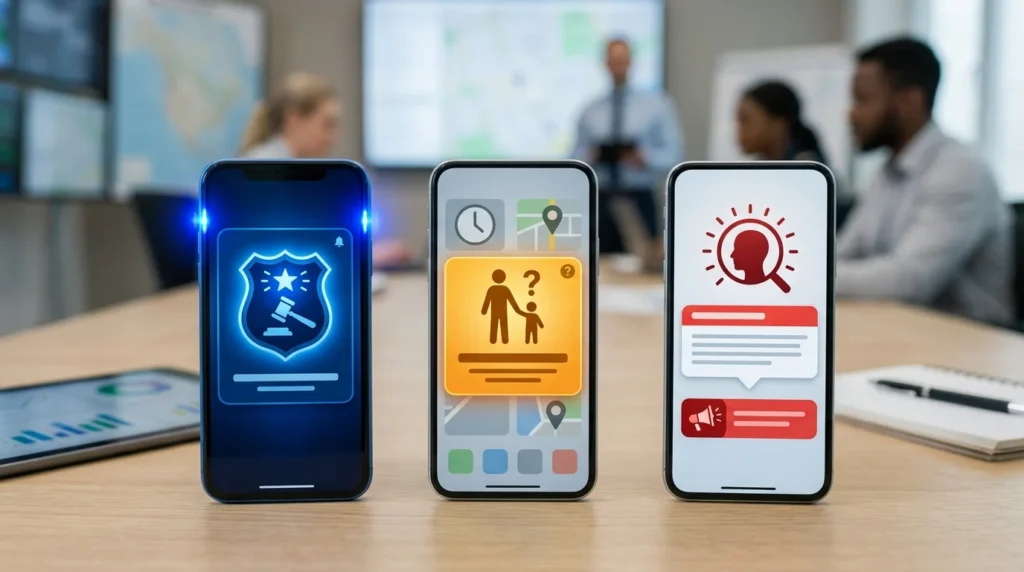
A Blue Alert and a Silver Alert serve different purposes. Blue Alerts are generally connected with serious incidents involving law enforcement officers and efforts to locate dangerous suspects.
Silver Alerts, where available, are generally designed to help locate missing older adults or other vulnerable people who may be at risk because of cognitive impairment or similar circumstances.
Blue Alert vs AMBER Alert vs Silver Alert
| Alert | General Purpose |
|---|---|
| Blue Alert | Helps with serious law enforcement-related incidents and locating dangerous suspects. |
| AMBER Alert | Helps locate children believed to have been abducted and in serious danger. |
| Silver Alert | Helps locate missing vulnerable people, often older adults, depending on local rules. |
Alert systems and eligibility requirements can differ by jurisdiction, so the official notification should always be used for the most accurate information.
Frequently Asked Questions
What does Blue Alert mean?
Blue Alert generally refers to a public safety notification connected to a serious incident involving a law enforcement officer. It may help authorities locate a dangerous suspect or obtain important information.
What should I do if I receive a Blue Alert?
Read the notification carefully, follow the instructions provided, and avoid approaching or confronting any suspected person. Report relevant information through the official contact method provided.
Does a Blue Alert mean everyone is in danger?
No. A Blue Alert does not necessarily mean that every person who receives it is in immediate danger. The details of the notification explain the nature and location of the situation.
What is the difference between a Blue Alert and an AMBER Alert?
A Blue Alert generally concerns a serious law enforcement-related incident, while an AMBER Alert is generally used to help locate a child believed to have been abducted and in danger.
Why did I get a Blue Alert on my phone?
You may receive a Blue Alert because your device is within the geographic area covered by an official emergency notification. The exact coverage and alert criteria depend on the local alert system.
Conclusion
The Blue Alert meaning is a public safety notification associated with certain serious incidents involving law enforcement. It is designed to quickly share relevant information that may help authorities locate a suspect or protect the public.
If you receive a Blue Alert, read the full message, follow official instructions, and do not attempt to confront a suspected person yourself. The specific rules and use of Blue Alerts can vary by jurisdiction.
See Also:
Sodomized Meaning: Definition, Origin, Legal Context & Explanation