


If you have come across the word shammy in a conversation, product description, social media post, or everyday English, you may wonder what it means. Shammy is commonly used as a shortened or informal spelling of chamois, a soft material traditionally made from animal skin and known for its ability to absorb water.
Today, the word is often associated with soft cleaning cloths used for cars, windows, mirrors, and other surfaces. However, “shammy” can have different meanings depending on the context, so understanding how it is being used is important.
Shammy Meaning & Definition
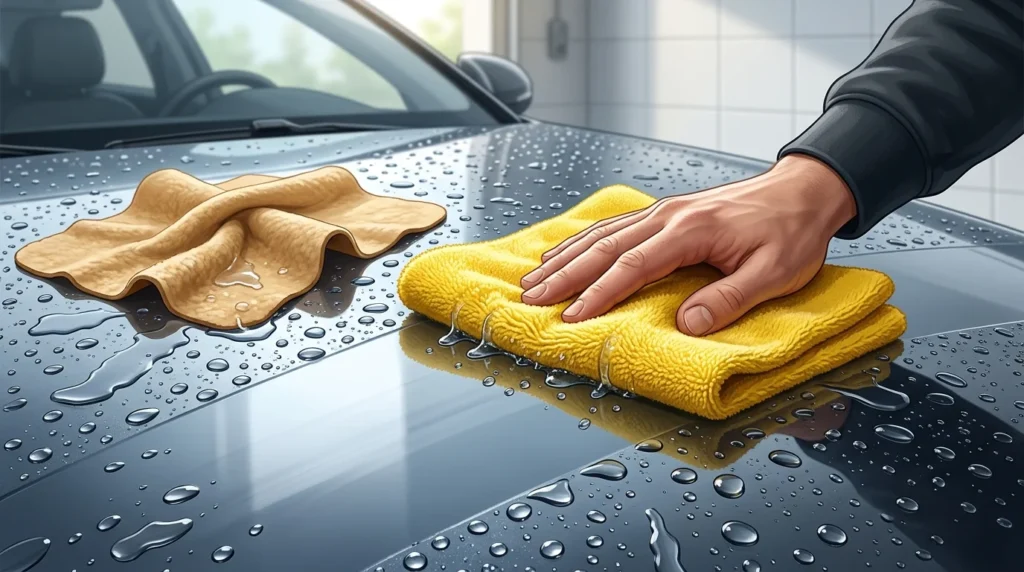
The most common shammy meaning is a soft, highly absorbent material or cloth used for drying and polishing surfaces. The traditional material is called chamois, while “shammy” is a common informal spelling or pronunciation.
For example, someone might say, “Use a shammy to dry the car.” In this sentence, shammy refers to a soft absorbent cloth used to remove water without being harsh on the surface.
What Does Shammy Mean?
When someone asks what does shammy mean, the simplest answer is that it usually refers to a soft cloth used for drying, cleaning, or polishing. The word is closely connected to chamois, which is pronounced roughly like “shammy” in everyday speech.
Modern shammy cloths may be made from synthetic materials rather than natural chamois leather. They are popular because they can absorb moisture effectively and are often soft enough for delicate surfaces.
Shammy Meaning in Text
The shammy meaning in text usually depends on the subject being discussed. If the conversation involves cars, cleaning, washing, or drying, “shammy” almost certainly refers to an absorbent cleaning cloth.
Example: “Grab the shammy after you wash the car.”
Here, shammy means a cloth used to dry the vehicle. It is not normally a texting abbreviation or internet acronym.
Shammy Meaning in Everyday English
In everyday English, shammy is an informal term for a chamois cloth. People may use it when talking about washing cars, cleaning glass, polishing surfaces, or drying objects.
For example, a person might say, “I need a new shammy for my car.” They are referring to a soft absorbent cloth that can be used after washing the vehicle.
Shammy vs Chamois
Shammy and chamois are closely related terms. Chamois is the standard spelling for the material and also refers to the chamois, a small goat-antelope native to mountainous regions of Europe and parts of western Asia. Shammy is commonly used informally for the cloth.
| Term | Common Meaning |
|---|---|
| Chamois | Traditional soft absorbent leather or the animal associated with the name |
| Shammy | Informal term for a soft absorbent cleaning cloth |
Shammy Meaning for Cars
One of the most common uses of shammy is in car care. After washing a vehicle, people may use a shammy cloth to absorb water from the paint, windows, mirrors, and other surfaces.
A shammy can be useful because it is soft and absorbent. However, the quality and material of modern cloths vary, so some people prefer synthetic chamois or microfiber towels for vehicle detailing.
Shammy Cloth Meaning
A shammy cloth is a soft, absorbent cloth designed to pick up moisture and help dry or polish surfaces. Traditional chamois cloths were made from specially prepared animal skin, while many modern versions are synthetic.
Shammy cloths are commonly used for cars, boats, windows, household surfaces, and other objects where people want to remove water without using a rough material.
Shammy Meaning in Cleaning
In cleaning, a shammy can refer to an absorbent cloth used to wipe away water or moisture. It is particularly useful when a surface needs to be dried while minimizing streaks or scratches.
For example, after cleaning a glass door, someone may use a shammy to remove remaining moisture. The term is informal, so a product may instead be labeled as a chamois cloth, synthetic chamois, drying cloth, or absorbent towel.
Shammy Meaning in Car Washing
When someone says “use a shammy after washing the car,” they mean that the vehicle should be dried with a soft absorbent cloth. Removing water can help prevent visible water spots, especially when water contains minerals that remain behind after evaporation.
Today, many car enthusiasts also use microfiber drying towels because they are designed specifically for automotive surfaces and can provide excellent water absorption with a soft texture.
Shammy Meaning in a Sentence
Example 1
“I bought a new shammy to dry my car.”
Here, shammy means a soft absorbent drying cloth.
Example 2
“Where did you put the shammy?”
The speaker is asking where the cleaning or drying cloth was placed.
Example 3
“Use the shammy on the wet windows.”
This means to use the absorbent cloth to remove moisture from the windows.
Is Shammy a Real Word?
Shammy is commonly used in English, but it is generally considered an informal form related to “chamois.” You may encounter it in everyday conversation, product names, advertisements, and casual writing.
For formal or technical writing, chamois or chamois cloth may be preferable, especially when describing the material precisely.
Shammy Pronunciation
“Shammy” is generally pronounced like “SHAM-ee.” This is closely connected to the common pronunciation of chamois, which is also commonly pronounced “SHAM-ee.”
The pronunciation can make the relationship between the two terms easier to understand, even though their spellings look quite different.
Shammy Synonyms
Depending on the context, words and phrases related to shammy include:
- Chamois
- Chamois cloth
- Drying cloth
- Absorbent cloth
- Cleaning cloth
- Polishing cloth
- Drying towel
- Synthetic chamois
These terms are related but are not always exact substitutes. A microfiber towel, for example, is a type of drying cloth but is not technically the same material as traditional chamois.
How to Use Shammy Correctly
Shammy is most often used as an informal word for a soft, absorbent cloth. You may hear it when people are talking about washing cars, cleaning windows, drying boats, polishing surfaces, or removing moisture from an object.
For example, “Use a shammy to dry the car after washing it” means to use an absorbent cloth to remove water from the vehicle. In more formal writing, chamois cloth or drying cloth may be a clearer choice.
Shammy Meaning in Different Contexts
Shammy for Car Detailing
In car detailing, a shammy is commonly understood as a soft cloth used to dry a vehicle after washing. It can help remove water from the paint, windows, mirrors, and other exterior surfaces.
Modern car-care products marketed as shammy or chamois cloths may be made from synthetic materials. Microfiber towels are also widely used for drying vehicles because they are soft and highly absorbent.
Shammy for Windows
A shammy can be used to remove water from windows and other glass surfaces. Its absorbent texture helps pick up moisture after washing or cleaning.
For example, someone might say, “Wipe the windows with a shammy after cleaning them.” In this context, the word simply refers to an absorbent cleaning cloth.
Shammy for Household Cleaning
People may also use the word shammy for a cloth used around the house. It can be used to dry wet surfaces, clean mirrors, or remove moisture from smooth materials.
The term is informal, so different people may use it for different types of absorbent cloths. The exact material should be checked if it matters.
Shammy for Boats
Boats and other watercraft can also be dried with absorbent cloths commonly called shammies or chamois cloths. The cloth can help remove water from smooth surfaces after use or cleaning.
Because modern synthetic drying cloths come in many forms, a product described as a shammy may not be made from traditional chamois leather.
What Is a Shammy Made Of?
Traditional chamois cloth was made from specially prepared animal skin, historically associated with chamois and other suitable hides. Modern products, however, are frequently made from synthetic materials.
Synthetic versions can be manufactured to provide softness, absorbency, durability, and easy maintenance. Therefore, the word “shammy” describes the type or intended use of a cloth in many everyday situations rather than guaranteeing a particular material.
Is a Shammy the Same as Microfiber?

A shammy and a microfiber towel are not necessarily the same thing. Shammy is a general informal term often associated with chamois-style absorbent drying cloths, while microfiber refers to a specific type of fabric made from extremely fine synthetic fibers.
Both can be used for drying and cleaning, but their texture, absorbency, care requirements, and performance can differ. For vehicle detailing, the best choice depends on the surface and the type of cleaning being performed.
Shammy vs Towel
A shammy is usually associated with a thin, soft, highly absorbent drying cloth, while a traditional towel is generally thicker and designed for broader drying purposes.
| Feature | Shammy | Regular Towel |
|---|---|---|
| Typical use | Drying and polishing | General drying |
| Texture | Often smooth and soft | Usually thicker and textured |
| Common uses | Cars, glass, smooth surfaces | Body, household items, general cleaning |
Shammy vs Chamois Leather
Chamois leather refers to a type of soft, absorbent leather traditionally produced from animal skin. “Shammy” is commonly used informally for a cloth with similar drying properties, including modern synthetic alternatives.
Therefore, a product called a shammy does not necessarily contain genuine leather. Checking the product description is important if you need to know whether the cloth is natural or synthetic.
Shammy Meaning in British English
The word shammy may be understood in British English as an informal form related to chamois. The same basic idea applies: a soft absorbent material used for cleaning, drying, or polishing.
However, usage can vary by region. Some speakers may prefer “chamois cloth,” while others may commonly say “shammy.”
Common Phrases With Shammy
- Shammy cloth — an absorbent cloth used for drying or cleaning
- Car shammy — a cloth used to dry a vehicle
- Chamois shammy — an informal reference to a chamois-style cloth
- Drying shammy — an absorbent cloth intended for drying
- Synthetic shammy — a chamois-style cloth made from synthetic material
Shammy Examples in Everyday Conversation
Example 1
“Can you pass me the shammy?”
The person is asking for the absorbent cloth.
Example 2
“The car is washed, so grab the shammy.”
Here, shammy refers to a cloth used to dry the vehicle.
Example 3
“I used a shammy to dry the windows.”
The speaker used an absorbent cloth to remove water from the glass.
Example 4
“This synthetic shammy absorbs water really well.”
This refers to a synthetic chamois-style drying cloth.
Frequently Asked Questions
What does shammy mean?
Shammy usually means a soft, absorbent cloth used for drying, cleaning, or polishing. It is an informal term closely associated with “chamois.”
Is shammy the same as chamois?
Shammy is commonly used as an informal spelling or name for a chamois-style cloth. However, modern shammies may be synthetic rather than genuine chamois leather.
What is a shammy used for?
A shammy is commonly used to dry cars, windows, boats, mirrors, and other smooth surfaces. It can absorb moisture while providing a soft surface for wiping.
Is a shammy made of leather?
A traditional chamois cloth can be made from specially prepared animal skin, but many modern shammies are synthetic. The product description will indicate the material.
Is shammy a formal word?
Shammy is generally considered informal. In formal or technical writing, “chamois cloth,” “absorbent cloth,” or a specific material name may be more precise.
Conclusion
The shammy meaning usually refers to a soft, absorbent cloth used for drying, cleaning, or polishing. The term is closely related to chamois and is especially common when talking about car washing and other smooth surfaces.
Traditional chamois cloths were made from specially prepared animal skin, while many modern shammies are made from synthetic materials. Because “shammy” is an informal term, its exact material can vary from one product to another.
See Also:
Pulchritudinous Meaning: Definition, Synonyms & Examples