


If you’ve searched for visceral meaning, you’re probably wondering what this powerful English word means and how it is used in everyday conversations, literature, or psychology. Although it originally referred to the body’s internal organs, today it is often used to describe deep emotional reactions.
In simple terms, visceral means relating to deep feelings, instinctive reactions, or the internal organs of the body. When something is described as visceral, it creates an immediate and intense emotional or physical response rather than one based on careful thought.
In this guide, Trendy Meaning explains what does visceral mean, its definition, origin, examples, and common usage.
Meaning & Definition
The visceral meaning depends on the context, but it generally refers to something deeply felt, instinctive, or related to the body’s internal organs.
Common meanings include:
- Deeply emotional
- Instinctive
- Gut feeling
- Powerful reaction
- Relating to internal organs
- Intense emotional response
The word can be used in both medical and everyday situations.
Visceral Meaning in English
The visceral meaning in English is relating to the internal organs or describing an emotional reaction that comes from instinct rather than logical thinking.
Example:
“Her speech created a visceral reaction among the audience.”
Meaning:
The audience experienced a powerful emotional response.
What Does Visceral Mean?
When people ask what does visceral mean, they are usually referring to its emotional meaning.
A visceral reaction is immediate, powerful, and based on instinct or emotion rather than careful analysis.
In medical contexts, visceral simply refers to the body’s internal organs.
Simple Explanation
Think of visceral as meaning:
- Deeply emotional
- Instinctive
- Felt in your gut
- Powerful
- Immediate reaction
- Related to internal organs
The intended meaning depends on the context.
Visceral Definition With Examples
The visceral definition is something relating to the body’s internal organs or producing a strong emotional response.
Examples of Visceral in Sentences
“The movie created a visceral emotional response.”
“He had a visceral fear of heights.”
“The doctor’s examination focused on the visceral organs.”
“The novel’s ending left readers with a visceral feeling of sadness.”
These examples show both the emotional and medical uses of the word.
Background
The word visceral has long been part of the English language. While it originally described the body’s internal organs, modern English often uses it to describe emotions that are immediate, intense, and deeply personal.
Today, the word frequently appears in literature, psychology, journalism, medicine, film reviews, and everyday conversations.
Origin and History of Visceral
The word visceral comes from the Latin word viscera, meaning “internal organs.”
Over time, writers and speakers began using the word metaphorically to describe emotional experiences that feel as though they come from deep inside a person. This figurative meaning is now one of the most common uses of the word.
Usage in Different Contexts
The word visceral appears in many situations.
Visceral in Literature
Authors use visceral to describe powerful emotional experiences that readers can almost physically feel.
Example:
“The novel delivered a visceral portrayal of loss.”
Visceral in Psychology
Psychologists may use the word to describe instinctive emotional responses that occur before conscious reasoning.
Example:
“He had a visceral reaction to the unexpected news.”
Visceral in Medicine
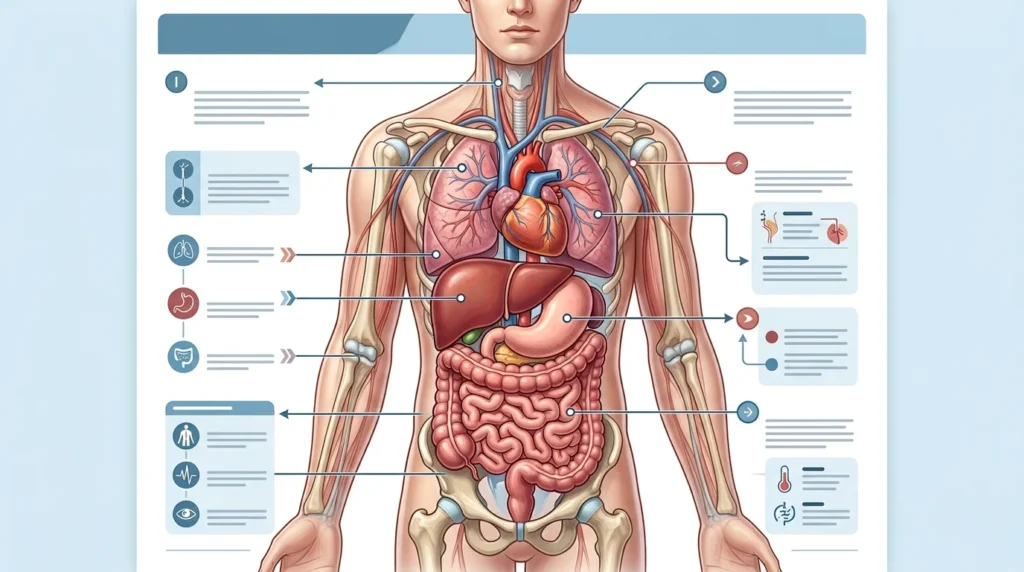
In medicine, visceral refers to the body’s internal organs such as the heart, lungs, stomach, liver, and intestines.
Example:
“The scan examined the patient’s visceral organs.”
Visceral in Everyday Conversation
People often use visceral to describe strong emotional reactions to events, music, films, or personal experiences.
Example:
“The documentary had a visceral impact on everyone watching.”
Visceral vs Emotional Difference
Although these words are closely related, they are not exactly the same.
Visceral
Describes an immediate, instinctive, and intense reaction that comes from deep within a person.
Example:
“The horror movie caused a visceral reaction.”
Emotional
Refers to any feeling or emotion, whether strong or mild.
Example:
“She became emotional during the farewell speech.”
Simple difference:
Visceral = Instant, instinctive, and powerful.
Emotional = Any feeling or emotional response.
Visceral vs Instinctive Difference
These words are similar but have different meanings.
Visceral
Focuses on deep emotional or physical reactions that seem to come from your gut.
Instinctive
Refers to actions or reactions that happen naturally without conscious thought.
Example:
“His instinctive response was to help the child.”
Simple difference:
Visceral = Deep emotional reaction.
Instinctive = Natural automatic behavior or response.
Synonyms of Visceral
Words with similar meanings include:
- Instinctive
- Deep
- Powerful
- Intense
- Emotional
- Gut-level
- Primitive
- Raw
- Profound
These synonyms may vary depending on whether the context is emotional or medical.
Antonyms of Visceral
Opposite words include:
- Rational
- Logical
- Calm
- Detached
- Analytical
- Controlled
- Thoughtful
These words describe reactions based on careful thinking rather than instinct.
How to Use Visceral Correctly

Use visceral when describing an intense emotional response or something related to the body’s internal organs.
Examples:
“The performance created a visceral emotional response.”
“His fear of spiders was visceral.”
“The doctor examined the visceral organs.”
“The painting had a visceral impact on visitors.”
Frequently Asked Questions
What is visceral meaning?
Visceral means relating to the body’s internal organs or describing a deep, instinctive emotional reaction.
What does visceral mean in English?
In English, visceral refers to something that is deeply felt, instinctive, or connected to the internal organs.
What is a visceral reaction?
A visceral reaction is an immediate and powerful emotional response that happens naturally without careful thought.
Can visceral have a medical meaning?
Yes. In medicine, visceral refers to the internal organs located inside the chest and abdomen.
How do you use visceral in a sentence?
Example: “The film created a visceral sense of fear that stayed with the audience.”
Conclusion
The visceral meaning refers to something deeply instinctive, emotionally powerful, or related to the body’s internal organs. Whether you’re describing a strong emotional reaction, a compelling story, or a medical condition, understanding what does visceral mean helps you use this expressive English word accurately in different contexts.
At Trendy Meaning, we explain English words, internet slang, text abbreviations, symbols, and modern vocabulary with simple definitions, practical examples, and real-world usage to make learning easier.
See Also:
Presence Meaning: Definition, Business, Online & Examples