
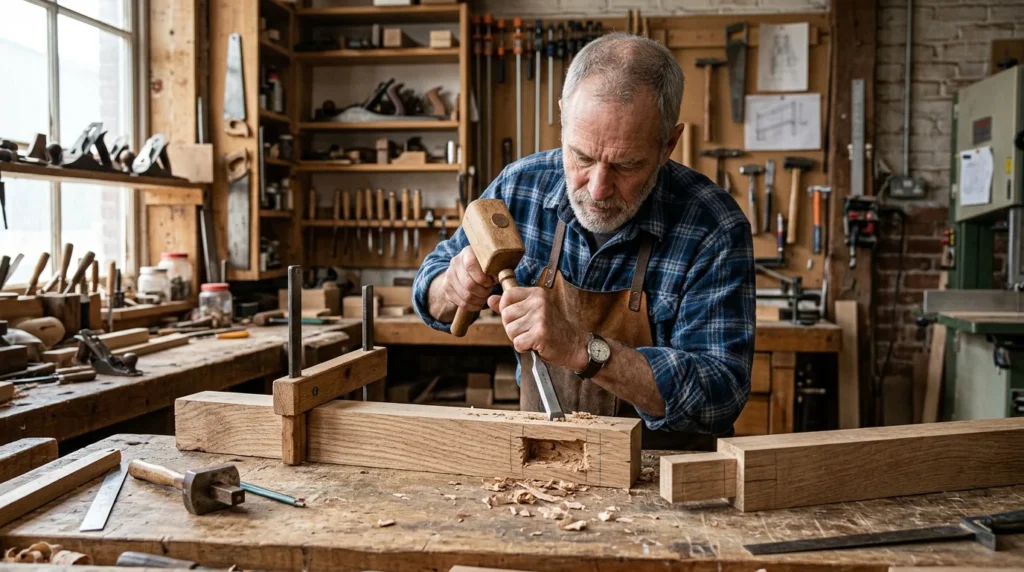

The word mortise is commonly used in woodworking, carpentry, furniture making, and construction, but many people still wonder about its exact meaning and purpose. If you have searched for mortise meaning, you may have seen it connected with terms like mortise and tenon, mortise lock, or traditional wood joinery. Although it sounds like a technical word, the concept behind it is simple. A mortise is one of the oldest and most reliable methods used to connect two pieces of material together, especially in woodworking.
Understanding what is mortise meaning helps you learn how craftsmen create strong and durable structures without depending only on screws, nails, or modern fasteners. In this detailed guide, we will explain mortise meaning in English, its background, different uses, and why it remains important in modern and traditional construction. At Trendy Meaning, we make difficult words and concepts easier to understand through simple, detailed explanations that help readers learn quickly.
Meaning & Definition
The mortise meaning refers to a specially cut opening, hole, or cavity made into a piece of material, usually wood, to receive another matching piece called a tenon. These two parts create a mortise and tenon joint, which is considered one of the strongest and most traditional joining techniques in woodworking. The mortise is the receiving space, while the tenon is the part that fits inside this space.
Simple Explanation of Mortise
In simple words, a mortise is like a carefully designed pocket created inside one piece of material so another piece can fit perfectly into it. This connection creates stability and strength because both pieces support each other. Unlike basic joints that depend mainly on glue, screws, or nails, a mortise joint creates a strong mechanical connection that can last for many years.
Technical Definition of Mortise
From a technical perspective, a mortise is a recess or cavity produced through cutting, drilling, or shaping a material to allow another component to fit securely. It is widely used in engineering, woodworking, furniture manufacturing, and architectural construction where precision and durability are required.
Background and History of Mortise
The history of the mortise goes back thousands of years and represents one of the earliest examples of advanced craftsmanship. Ancient civilizations, including Egyptian and Chinese craftsmen, used mortise and tenon joints to build furniture, wooden boats, and important structures. These early builders discovered that carefully designed joints could provide exceptional strength even without modern tools or construction materials.
Origin of Mortise and Tenon Joinery
Mortise and tenon joinery developed as craftsmen searched for stronger ways to connect wooden parts. Over time, different cultures created their own versions of mortise joints based on their construction needs. This technique became especially important in furniture making, timber framing, and traditional architecture.
Why Mortise Remained Popular
The reason mortise remained popular throughout history is its ability to provide strength, stability, and durability. Even with modern technology, many professional woodworkers still prefer mortise joints because they combine practical performance with traditional craftsmanship.
Usage in Different Contexts
The word mortise is used in multiple industries, although its most common connection is with woodworking. Carpenters use mortises to join furniture components such as chairs, tables, cabinets, and wooden frames. Builders also use this technique in timber structures where strong and reliable connections are required.
Mortise in Woodworking
In woodworking, a mortise is created to hold a tenon securely. This method allows craftsmen to build strong furniture and structures that can handle pressure and movement over time. High-quality handmade furniture often uses mortise joints because they provide both strength and a clean appearance.
Mortise in Construction and Hardware
In construction, mortise-style connections are used in wooden frameworks and restoration projects. The term is also commonly seen in hardware through mortise locks, which are installed inside a door rather than attached externally. These locks are known for their security, durability, and professional finish.
What Is Mortise Meaning?
Many people search what is mortise meaning because they encounter this term while learning about furniture, doors, or woodworking. A mortise is simply an opening created in one piece of material so another specially shaped piece can fit inside it. This creates a secure connection that improves strength and stability.
Purpose of a Mortise Joint
The main purpose of a mortise joint is to connect two pieces together in a way that prevents unwanted movement. Because the parts fit tightly together, the joint becomes stronger and more reliable. This is why mortise techniques continue to be used by professional craftsmen around the world.
Mortise Meaning in English
The mortise meaning in English refers to a cavity, slot, or hole cut into a material, especially wood, to receive a corresponding part. The word is mainly used as a noun, but it can also describe the action of creating such an opening.
How Mortise Is Used in English
The term appears frequently in woodworking guides, construction manuals, furniture instructions, and architectural discussions. Understanding this word helps readers better understand technical information related to building, repairing, and designing wooden structures.
Mortise Meaning in Woodworking
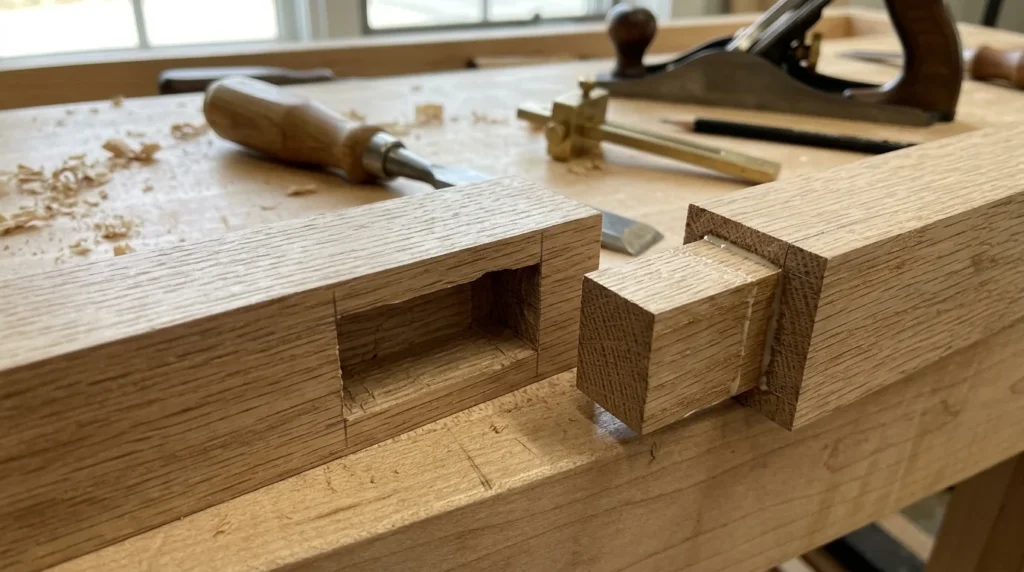
The mortise meaning in woodworking refers to a carefully created opening in a wooden piece that allows another wooden component to fit securely inside it. This technique is considered one of the most important joinery methods because it creates strong and long-lasting connections. Woodworkers use different tools and techniques to create mortises depending on the type of project, material, and level of precision required.
Role of Mortise in Wood Joinery
In woodworking, a mortise works together with a tenon to create a reliable joint. This connection helps furniture and wooden structures maintain their shape and strength even after years of use. Chairs, tables, cabinets, doors, and traditional wooden frames often depend on mortise joints because they provide excellent stability without requiring excessive metal hardware.
Why Craftsmen Prefer Mortise Joints
Professional craftsmen prefer mortise joints because they offer both functional and visual benefits. A properly created mortise joint remains hidden inside the structure, creating a clean and professional appearance. It also distributes pressure evenly, reducing the chances of weakening or breaking compared to weaker joining methods.
Mortise and Tenon Meaning
The mortise and tenon meaning describes a traditional woodworking connection where two pieces are joined by fitting a projecting piece called a tenon into a matching opening called a mortise. The mortise is the receiving cavity, while the tenon is the part designed to enter and lock into that cavity. Together, they create a strong and stable joint.
How Mortise and Tenon Joint Works
The process begins by cutting a precise opening into one piece of wood to create the mortise. A matching extension is then shaped on another piece to form the tenon. When the tenon fits tightly inside the mortise, both pieces become connected and can withstand pressure, movement, and weight.
Importance of Mortise and Tenon Joint
The importance of this joint comes from its durability and reliability. Unlike simple connections that depend only on screws or glue, the mortise and tenon joint creates natural mechanical strength. This is why it has remained popular for centuries and continues to be used in modern furniture making and construction.
How Is a Mortise Used?
Understanding how a mortise is used helps explain why this technique remains valuable in many industries. A mortise is mainly used to create a secure connection between two materials by allowing one piece to fit precisely into another. The size, shape, and depth of the mortise depend on the requirements of the project.
Common Applications of Mortise
Mortises are commonly used in wooden furniture, doors, windows, cabinets, timber frames, and architectural structures. In furniture making, they help connect different parts such as legs, frames, and supports. In construction, they provide strong connections for wooden structures that require long-term stability.
Modern Uses of Mortise
Although mortise joints originated in traditional woodworking, they are still used today with modern tools and machinery. Professional workshops use advanced equipment to create accurate mortises quickly while maintaining the strength and quality associated with traditional craftsmanship.
Mortise Lock Meaning
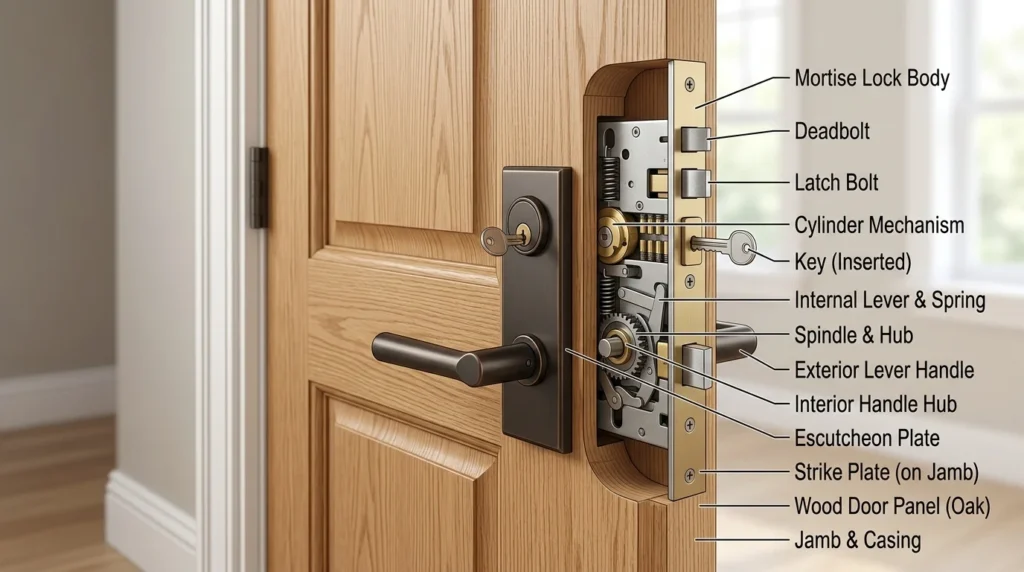
The mortise lock meaning refers to a type of door lock that is installed inside a specially cut pocket within the edge of a door. Unlike surface-mounted locks that are attached directly to the outside of a door, mortise locks are placed inside the door structure, making them stronger and more secure.
How a Mortise Lock Works
A mortise lock works by placing the lock body inside a cavity created in the door. The internal mechanism includes parts such as the latch, deadbolt, handle system, and locking components. Because the lock is built into the door rather than placed on the surface, it provides better protection and durability.
Where Mortise Locks Are Used
Mortise locks are commonly found in commercial buildings, offices, hotels, and high-quality residential properties. They are preferred in situations where security, strength, and professional appearance are important. Their reliable design makes them a popular choice among builders and property owners.
Difference Between Mortise and Tenon
The difference between mortise and tenon is based on their individual roles in a joint. A mortise is the opening or cavity created in one piece of material, while a tenon is the projecting part created on another piece. Both components are designed to work together to create a strong connection.
Mortise vs Tenon Explained Simply
The easiest way to understand the difference is to think of the mortise as the space that receives and the tenon as the piece that enters that space. Neither one provides the complete joint alone. Their strength comes from the way they fit together with precision.
Why Both Are Important Together
A mortise without a tenon cannot create the complete joint, and a tenon without a mortise has no place to connect. Together, they create one of the strongest traditional woodworking methods. This combination allows structures to remain stable, durable, and functional for many years.
Types of Mortise Joints
There are several types of mortise joints used by woodworkers depending on the purpose and design of a project. Each type has unique characteristics and provides different levels of strength, appearance, and functionality. Choosing the correct type of mortise helps craftsmen create better results.
Common Types of Mortise
Some common types include through mortise, blind mortise, stopped mortise, and wedged mortise. A through mortise passes completely through the material, while a blind mortise creates an opening that does not go all the way through. Each style is selected based on the requirements of the project.
Choosing the Right Mortise Type
The choice of mortise depends on factors such as strength requirements, design preferences, and the type of material being used. Furniture makers may choose hidden mortises for appearance, while structural builders may select stronger designs for heavy-duty applications.
Mortise Tools and Cutting Methods
Creating a mortise requires accuracy, patience, and the right tools. Traditionally, craftsmen created mortises by using simple hand tools such as chisels, mallets, and saws. These tools allowed woodworkers to carefully remove material and create openings with precise measurements. Skilled artisans developed their techniques over years of practice to produce strong and perfectly fitted joints.
Traditional Mortise Cutting Methods
Traditional mortise cutting involves marking the required area on the wood and carefully removing the unwanted material using a chisel and mallet. This method requires great attention because even a small mistake can affect how tightly the tenon fits inside the mortise. Many professional craftsmen still prefer hand-cut mortises because they represent traditional skill and detailed workmanship.
Modern Mortise Machines and Tools
Modern woodworking uses advanced tools such as mortising machines, routers, and drilling equipment to create mortises faster and with greater consistency. These machines are especially useful in professional workshops where large numbers of identical joints need to be produced. Although technology has changed the process, the basic principle of creating a strong fitted joint remains the same.
Advantages of Using a Mortise Joint
A mortise joint offers several advantages that make it one of the most respected joining techniques in woodworking. Its biggest benefit is strength because the connection is created through the direct fitting of two materials rather than depending only on external fasteners. This allows furniture and structures to remain stable for long periods.
Strength and Durability
The strength of a mortise joint comes from its precise design. When the mortise and tenon fit correctly, they distribute pressure across the connected surfaces, reducing stress on individual points. This makes the joint suitable for items that experience regular use, such as chairs, tables, doors, and structural frames.
Clean Appearance and Long-Term Value
Another advantage of mortise joints is their attractive appearance. Since most of the connection remains hidden inside the material, the final product looks clean and professional. This quality makes mortise joints especially valuable in handmade furniture, luxury designs, and restoration projects.
Mortise Meaning in Construction
In construction, the mortise meaning refers to a specially created opening used to connect structural components securely. While the term is mostly associated with woodworking, it also plays an important role in timber construction and traditional building methods. Mortise connections help create stable frameworks that can support weight and maintain structural strength.
Use of Mortise in Timber Structures
Traditional timber buildings often use mortise and tenon joints to connect large wooden beams and support structures. These joints provide stability while allowing the natural movement of wood caused by environmental changes. This makes them useful in structures where durability and flexibility are important.
Mortise in Modern Construction Projects
Although modern construction often uses metal fasteners and advanced materials, mortise techniques are still used in restoration work, custom woodworking, and architectural projects. Builders and designers value this method because it combines traditional craftsmanship with reliable structural performance.
Mortise vs Modern Joining Methods
The comparison between mortise joints and modern joining methods shows why this traditional technique continues to be important. Modern methods such as screws, nails, brackets, and adhesives are often faster and easier to apply. However, mortise joints provide unique benefits because their strength comes from the connection between the materials themselves.
Mortise Joint Compared to Screws and Nails
Screws and nails create strong connections, but they may loosen over time due to movement, pressure, or environmental changes. A properly made mortise joint can remain stable for many years because the materials are locked together through precise fitting. This makes it a preferred choice for high-quality woodworking projects.
Why Traditional Joinery Still Matters
Traditional joinery techniques like mortise and tenon continue to matter because they represent durability, craftsmanship, and quality. Many modern woodworkers combine traditional methods with modern technology to achieve accurate results while preserving the strength and beauty of classic woodworking.
Common Examples of Mortise in Everyday Life
Many people interact with mortises every day without realizing it. This technique is commonly found in wooden furniture, doors, cabinets, and decorative structures. Whenever a product requires a strong and reliable connection between wooden parts, a mortise joint may be involved.
Examples in Furniture
Wooden chairs, tables, cupboards, and handmade furniture often use mortise joints to connect different components. These joints help furniture maintain its shape and strength even after years of regular use. High-quality furniture manufacturers often prefer mortise construction because it improves durability and overall product quality.
Examples in Doors and Buildings
Traditional wooden doors, frames, and timber structures frequently use mortise connections. These joints help create strong frameworks that can handle daily stress while maintaining their original structure. This is why mortise remains an important concept in both old and modern craftsmanship.
Conclusion
The mortise meaning represents one of the oldest and most effective methods of joining materials, especially in woodworking and construction. From ancient civilizations to modern workshops, mortise joints have remained valuable because they provide strength, durability, and reliable performance. Understanding what is mortise meaning, mortise meaning in English, mortise and tenon meaning, and how a mortise is used helps readers appreciate the skill behind traditional craftsmanship.
Whether you are interested in woodworking, furniture design, construction, or simply learning new words, the concept of mortise provides valuable knowledge about how strong structures are created. The combination of precise design and skilled craftsmanship allows mortise joints to remain useful even in today’s modern world. For more easy and detailed word explanations, Trendy Meaning helps readers understand meanings from different fields in a simple and engaging way.
See Also:
Ciao Meaning: What It Means in Italian & English