
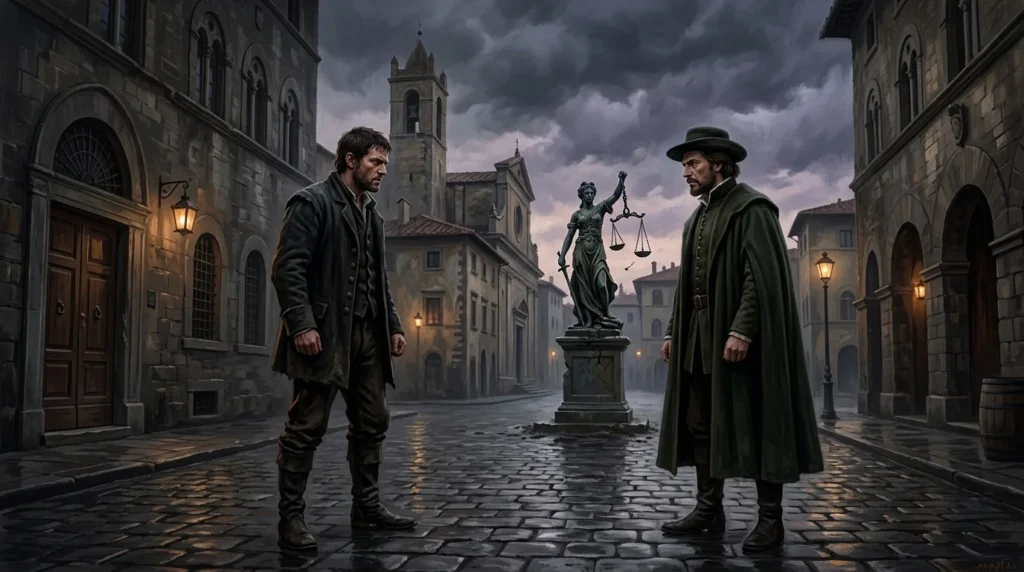

Words often carry meanings that go far beyond their dictionary definitions, and vendetta is one of those powerful words. It appears in books, movies, news reports, political discussions, and everyday conversations, yet many people are unsure what it truly means. While some think a vendetta is simply another word for revenge, its meaning is much deeper. A vendetta usually refers to a long-lasting conflict fueled by anger, resentment, or a desire for retaliation, often involving individuals, families, or even communities. Understanding the vendetta meaning helps explain why this word is commonly used in both historical and modern contexts.
If you have searched for what is vendetta meaning, vendetta meaning in English, or what does vendetta mean, this guide will answer every question in simple language. We’ll explore its definition, history, cultural significance, legal context, real-life examples, and how it differs from similar terms like revenge and feud. At Trendy Meaning, we explain words and expressions in a clear, beginner-friendly way. If you’re ever curious about the meaning of any word, phrase, or trending term, Trendy Meaning is a great place to find reliable and easy-to-understand explanations.
Meaning & Definition
The vendetta meaning refers to a prolonged and often bitter desire for revenge against a person, family, or group because of a real or perceived wrongdoing. Unlike an ordinary disagreement, a vendetta usually continues for a long time and may involve repeated acts of retaliation. The word is commonly associated with personal conflicts, family rivalries, and historical feuds where both sides continue seeking revenge over generations.
In modern English, the word is also used more broadly to describe a strong personal grudge or an ongoing campaign against someone. For example, if a person repeatedly targets another individual because of past resentment, people may describe it as a personal vendetta. Although the word originally referred to violent family feuds, today it can also describe emotional, political, professional, or social conflicts that continue because neither side is willing to forgive or move on.
Background
The history of the word vendetta dates back several centuries and is closely connected with Mediterranean cultures, particularly Italy and the island of Corsica. In earlier times, legal systems were often weak or unavailable in remote areas. As a result, families believed it was their responsibility to seek justice whenever a family member was harmed. This belief led to long-lasting cycles of retaliation that became known as vendettas.
Over time, the concept spread beyond its historical origins and became part of many languages, including English. Today, vendetta no longer refers only to traditional family feuds. It is widely used to describe any prolonged conflict driven by revenge, resentment, or personal hostility. Whether discussed in history books, legal studies, psychology, or popular culture, the background of vendetta demonstrates how unresolved conflicts can continue for years when forgiveness and peaceful resolution are absent.
Usage in Different Contexts
The word vendetta is used in many different contexts, and its meaning can change slightly depending on the situation. In everyday conversation, people often use it to describe someone who has a strong personal grudge against another person. For example, if a manager unfairly targets an employee because of a past disagreement, others might describe that behavior as a personal vendetta rather than fair criticism.
The term is also common in politics, journalism, literature, history, law, and entertainment. News articles sometimes describe long-running political rivalries as vendettas when actions appear motivated by personal revenge instead of public interest. In novels and movies, vendettas often drive the main storyline, showing how anger and retaliation can affect individuals, families, and entire communities. This broad usage makes vendetta one of the most recognizable words related to conflict and revenge.
What Is Vendetta Meaning?
The question what is vendetta meaning is frequently searched by people who encounter the word in movies, books, or news reports. In simple terms, a vendetta is a long-term desire to take revenge against someone because of a past action or perceived injustice. Unlike a temporary disagreement, a vendetta usually continues over an extended period and often becomes deeply emotional.
A vendetta may involve one individual, but historically it often involved entire families who continued retaliating against each other across generations. Today, the term is also used metaphorically to describe situations where someone repeatedly acts against another person due to personal resentment. Whether it involves family conflicts, workplace disputes, or political rivalries, the core idea remains the same: an ongoing pursuit of revenge rather than reconciliation.
Vendetta Meaning in English
The vendetta meaning in English is generally defined as a prolonged feud or a determined desire for revenge against a specific person or group. English dictionaries often describe it as a long-running conflict in which retaliation continues because one side believes justice has not been achieved. This definition highlights that a vendetta is usually more serious than an ordinary argument.
In everyday English, people often use the word figuratively. Someone might say that a critic has a vendetta against a celebrity or that a politician is pursuing a vendetta against an opponent. In these cases, the word does not necessarily imply physical violence. Instead, it describes persistent hostility or repeated actions motivated by personal resentment. This broader modern usage has made the word common in journalism, politics, business, and popular culture.
What Does Vendetta Mean?
The question what does vendetta mean focuses on the deeper idea behind the word rather than its dictionary definition. Vendetta represents an ongoing cycle of revenge where anger, resentment, and retaliation replace forgiveness or peaceful resolution. It describes a situation in which someone remains determined to settle a personal score, often allowing emotions to control their actions.
From a psychological perspective, a vendetta can become harmful because it keeps old conflicts alive instead of encouraging healing or understanding. This is why the word often carries a negative meaning. It suggests that the desire for revenge has become stronger than the desire for justice or reconciliation. Understanding this deeper meaning helps explain why vendettas have played significant roles in history, literature, politics, and modern society.
Vendetta Definition With Examples
The vendetta definition with examples becomes much easier to understand when we look at real-life situations. A vendetta is a long-lasting desire for revenge against a person, family, organization, or group because of a past conflict or perceived injustice. Unlike a simple disagreement that ends after a conversation or apology, a vendetta continues over time and often grows stronger as emotions such as anger, resentment, and hatred increase.
For example, imagine two business partners who separate after a major dispute. If one partner spends years trying to damage the other’s reputation or business, that behavior can be described as a vendetta. Another example is a politician repeatedly targeting a political rival because of personal resentment rather than public interest. In literature and films, vendettas often drive the entire story because they create ongoing conflict between characters.
Vendetta Meaning in Simple Words
If you’re looking for the vendetta meaning in simple words, the easiest explanation is that a vendetta is a long-term revenge or personal grudge against someone. It happens when a person refuses to let go of anger and continues trying to get back at another individual for something that happened in the past.
Unlike ordinary arguments that people eventually forget, a vendetta can last for months, years, or even generations. The word usually describes a situation where emotions become stronger than forgiveness. This simple explanation helps beginners understand why the term is commonly used in books, movies, news reports, and everyday conversations.
Personal Vendetta Meaning

The personal vendetta meaning refers to a situation where one individual develops a strong personal grudge against another person. Instead of seeking fairness or solving the problem peacefully, the individual continues trying to hurt, embarrass, or defeat the other person because of personal feelings.
A personal vendetta can appear in workplaces, politics, schools, businesses, or even friendships. For instance, if a manager continuously treats one employee unfairly because of an old disagreement, people may describe it as a personal vendetta. In modern English, this is one of the most common ways the word “vendetta” is used, and it usually suggests bias, resentment, and emotional conflict rather than objective decision-making.
Family Vendetta Meaning
The family vendetta meaning describes a conflict where two families remain hostile toward each other over a long period. Historically, these disputes often started because of violence, dishonor, property disagreements, or the death of a family member. Instead of ending after one incident, each act of revenge led to another, creating a continuous cycle of retaliation.
Family vendettas were especially common in societies where formal legal systems were weak or unavailable. Families believed it was their responsibility to defend their honor by taking revenge. Although such traditions are far less common today, the phrase “family vendetta” is still used in history books, novels, movies, and documentaries to describe long-standing family rivalries that continue across generations.
Blood Vendetta Meaning
A blood vendetta is one of the oldest and most serious forms of vendetta. The blood vendetta meaning refers to a cycle of revenge involving violence between families or clans after the death or injury of a family member. Historically, one act of violence often led to another, creating conflicts that lasted for decades or even centuries.
Blood vendettas became well known in regions such as Sicily, Corsica, Albania, and parts of the Balkans, where family honor played a major role in society. Today, the phrase is mostly used in historical discussions, documentaries, and literature. In modern legal systems, personal revenge is discouraged because justice is expected to be handled through courts rather than individuals.
Vendetta Meaning in Law
The vendetta meaning in law is different from its everyday use because legal systems do not recognize personal revenge as a form of justice. Modern law encourages people to resolve disputes through courts, legal procedures, and law enforcement instead of taking revenge into their own hands.
If someone commits illegal acts because of a vendetta, they can face criminal charges regardless of their personal motives. Acts such as harassment, assault, threats, property damage, or violence are punishable under the law even if the person claims they were seeking revenge. This legal perspective highlights the importance of justice through lawful institutions rather than personal retaliation.
Origin and History of Vendetta
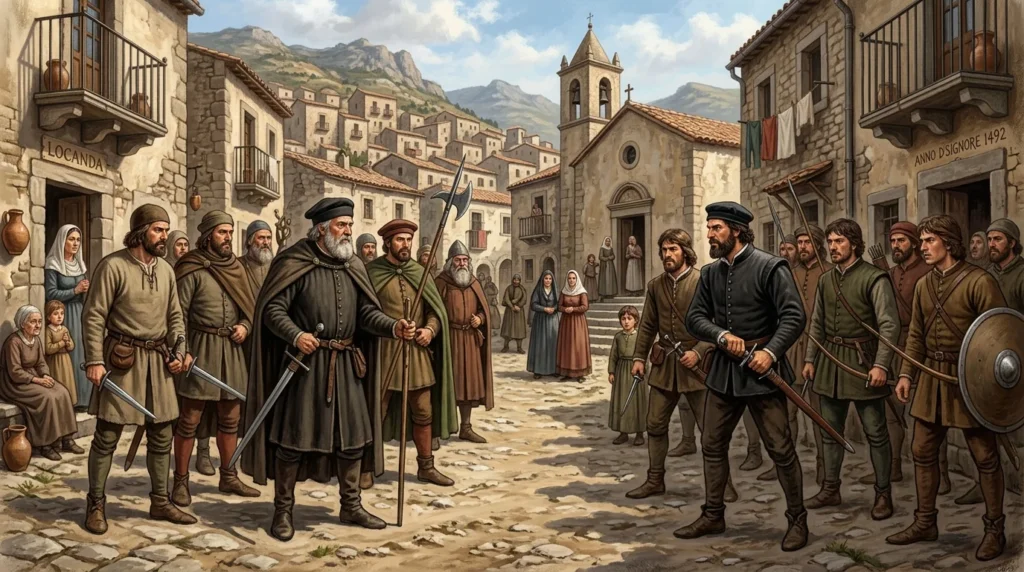
The origin and history of vendetta can be traced back to the Italian language. The word vendetta comes from the Latin word vindicta, which means revenge or vengeance. It later became part of the Italian language before entering English and many other languages.
Historically, vendettas became closely associated with regions such as Sicily and Corsica. In these societies, family honor was extremely important, and people often believed they had a moral duty to avenge any harm done to their relatives. Since legal protection was limited in many rural areas, families relied on their own systems of retaliation, creating long-lasting feuds that sometimes continued for generations.
As governments established stronger legal systems, the practice of family vendettas gradually declined. Today, the word is mostly used figuratively to describe ongoing personal or political conflicts rather than traditional blood feuds. However, its historical roots continue to shape the modern understanding of the term.
Difference Between Vendetta and Revenge
Many people believe vendetta and revenge mean exactly the same thing, but there are important differences. Revenge usually refers to a single act of retaliation after someone has been harmed. A vendetta, however, describes an ongoing conflict that involves repeated attempts to retaliate over a long period.
For example, if someone insults another person and receives an immediate response, that is revenge. If the conflict continues for years with repeated acts of retaliation, it becomes a vendetta. This distinction explains why vendettas are often associated with prolonged emotional conflicts instead of isolated incidents.
Difference Between Vendetta and Feud
The difference between vendetta and feud is another topic that many competitors only explain briefly. A feud is generally a long-running disagreement between individuals, families, or groups. A vendetta is often the emotional desire for revenge that keeps a feud alive.
In simple terms, a vendetta focuses on revenge, while a feud describes the overall conflict between opposing sides. Many historical family feuds included vendettas because both sides continued seeking retaliation. Understanding this distinction helps readers use both words correctly in different situations.
Vendetta in Modern Society
In today’s world, vendettas are not always violent. Modern vendettas often appear in workplaces, politics, business, sports, entertainment, and even social media. Someone may repeatedly criticize another person, spread false information, or attempt to damage their reputation because of personal resentment.
These modern forms of vendetta show that emotional conflicts can exist without physical violence. They also demonstrate why healthy communication, conflict resolution, and forgiveness are important. Holding onto a vendetta can negatively affect both the person seeking revenge and the people around them.
Psychological Effects of Holding a Vendetta
One topic that many competitor articles overlook is the psychological impact of a vendetta. Holding onto long-term anger and resentment can increase stress, anxiety, frustration, and emotional exhaustion. Constantly thinking about revenge often prevents people from moving forward with their lives.
Psychologists generally encourage healthy conflict resolution rather than prolonged revenge. Forgiveness does not necessarily mean forgetting what happened, but it can help reduce emotional pain and improve mental well-being. This is one reason why modern society values reconciliation and legal justice over personal vendettas.
Vendetta in Literature and Movies
The concept of a vendetta has inspired countless stories throughout history because it creates strong emotional conflict and dramatic tension. In literature, a vendetta often serves as the central motivation for a character, showing how anger and the desire for revenge can influence decisions and relationships. Classic novels, historical fiction, and modern thrillers frequently explore the consequences of refusing to let go of past wrongs.
Movies and television series also use vendettas to build compelling narratives. Crime dramas, action films, and historical epics often feature characters pursuing long-term revenge against an individual or organization. These stories usually demonstrate that while revenge may seem satisfying in the short term, it often leads to greater conflict, personal loss, and emotional suffering. This is one reason the word vendetta remains widely recognized in popular culture.
Vendetta in Politics and the Workplace
In modern society, the word vendetta is frequently used outside its historical meaning. Political commentators often describe repeated attacks against a rival as a political vendetta when they believe actions are motivated by personal hostility instead of public interest. In these situations, the term suggests that decisions are influenced by resentment rather than fairness.
The workplace is another environment where the phrase personal vendetta is commonly used. For example, if a supervisor repeatedly treats one employee unfairly because of an old disagreement, colleagues may describe it as a vendetta. Although these situations usually do not involve physical violence, they can create stress, reduce productivity, and damage professional relationships. Resolving workplace conflicts through communication and fair policies is always more effective than allowing personal grudges to continue.
Real-Life Examples of Vendettas
Understanding vendetta meaning becomes easier when looking at everyday examples. Imagine two neighbors who have a serious dispute over property boundaries. Instead of resolving the issue legally or through discussion, one neighbor spends years trying to create problems for the other. This long-term campaign of retaliation is an example of a vendetta.
Another example can occur in business. If a former employee feels unfairly treated and dedicates years to damaging the company’s reputation, many people would describe those actions as a personal vendetta. Historical examples also include long-running family rivalries where generations continued conflicts started by their ancestors. These examples show that vendettas can appear in personal, social, political, and professional settings.
Can Forgiveness End a Vendetta?
One important topic that many competitor articles overlook is whether a vendetta can actually end. The answer is yes. While vendettas are driven by anger, resentment, and revenge, they can often be broken through forgiveness, communication, legal justice, or mediation. Ending a vendetta requires at least one side to stop the cycle of retaliation.
Forgiveness does not mean approving harmful behavior or forgetting the past. Instead, it means choosing not to continue seeking revenge. In many cases, conflict resolution, counseling, and legal systems help people settle disputes peacefully. This approach benefits individuals, families, and communities by preventing conflicts from continuing across generations.
Why Vendettas Can Be Harmful
Although stories about vendettas may seem exciting in books and films, real-life vendettas often have serious consequences. Holding onto a desire for revenge can affect emotional well-being, relationships, careers, and even physical health. Long-term resentment may increase stress, anxiety, and anger while making it difficult to trust others.
Vendettas can also harm families and communities by creating division and encouraging ongoing conflict. Instead of solving problems, they often create new ones. This is why modern societies encourage peaceful conflict resolution through discussion, mediation, and the legal system rather than personal retaliation.
Vendetta Meaning Beyond History
Today, the word vendetta is no longer limited to historical family feuds. It has become a broader expression used to describe persistent hostility in many areas of life. Journalists, authors, lawyers, and political analysts often use the term to explain situations where actions appear motivated by personal revenge instead of fairness or justice.
The modern meaning of vendetta reflects changes in society. While traditional blood feuds have become rare in most parts of the world, emotional conflicts, personal grudges, and professional rivalries still exist. Understanding this modern usage helps readers recognize the word in newspapers, books, interviews, films, and everyday conversations.
Frequently Asked Questions
What is the real meaning of vendetta?
The real meaning of vendetta is a long-lasting desire for revenge against a person, family, or group because of a past conflict or perceived injustice. It usually involves an ongoing cycle of retaliation rather than a single act of revenge.
What is a personal vendetta?
A personal vendetta is a long-term grudge or campaign against another individual based on personal resentment. It often involves repeated attempts to harm someone’s reputation, career, or emotional well-being.
What is the difference between revenge and vendetta?
Revenge is usually a single act of retaliation, while a vendetta is a prolonged conflict involving repeated attempts to seek revenge over time. A vendetta often lasts much longer and becomes deeply emotional.
Where did the word vendetta originate?
The word vendetta comes from the Italian language and has roots in the Latin word vindicta, meaning revenge or vengeance. It became widely known through historical family feuds in regions such as Sicily and Corsica.
Is vendetta a crime?
A vendetta itself is not a legal crime because it describes a motive or ongoing conflict. However, any illegal actions committed during a vendetta—such as harassment, assault, threats, or property damage—can result in criminal charges.
Can a vendetta last for generations?
Yes. Historically, many family vendettas continued across multiple generations because each act of revenge led to another. These long-running conflicts became known as blood feuds.
What is a blood vendetta?
A blood vendetta is a traditional cycle of violent revenge between families or clans after the death or injury of a family member. It is one of the oldest forms of vendetta in history.
How is vendetta used in a sentence?
Example: The journalist denied having a personal vendetta against the politician and said the investigation was based on evidence.
Can forgiveness end a vendetta?
Yes. Forgiveness, communication, mediation, and legal justice can help end a vendetta by breaking the cycle of revenge and encouraging peaceful conflict resolution.
Why is vendetta often associated with Italy?
Vendetta is associated with Italy because the word comes from the Italian language, and historical family feuds in regions such as Sicily and Corsica made the term widely recognized around the world.
Conclusion
Understanding vendetta meaning is important because the word represents much more than simple revenge. A vendetta describes a prolonged conflict fueled by resentment, retaliation, and the desire to settle old scores. From its historical origins in Italy and Corsica to its modern use in politics, workplaces, literature, and everyday conversations, the concept continues to be relevant across many areas of life.
While vendettas have shaped history and inspired countless stories, they also remind us of the dangers of unresolved anger and continuous retaliation. Modern legal systems and conflict resolution methods encourage justice, communication, and forgiveness instead of personal revenge. By understanding the true meaning of vendetta, readers can better recognize how the term is used in different contexts and why it carries such a powerful emotional impact.
If you’re looking for clear explanations of words, phrases, internet slang, cultural terms, or trending expressions, Trendy Meaning is the perfect place to explore detailed and easy-to-understand guides that answer your questions in simple English.
See Also:
Imminent Meaning: Simple Definition, Examples & Usage
STG Meaning: What It Means in Text, Snapchat, Instagram, and Chat